Base
Hardened build
minimal ports, security patches applied at build time

Debian 13 trixie with the lightweight XFCE desktop over RDP: no default password, remote desktop switched off until you turn it on, and a TLS certificate generated on each machine at first boot.
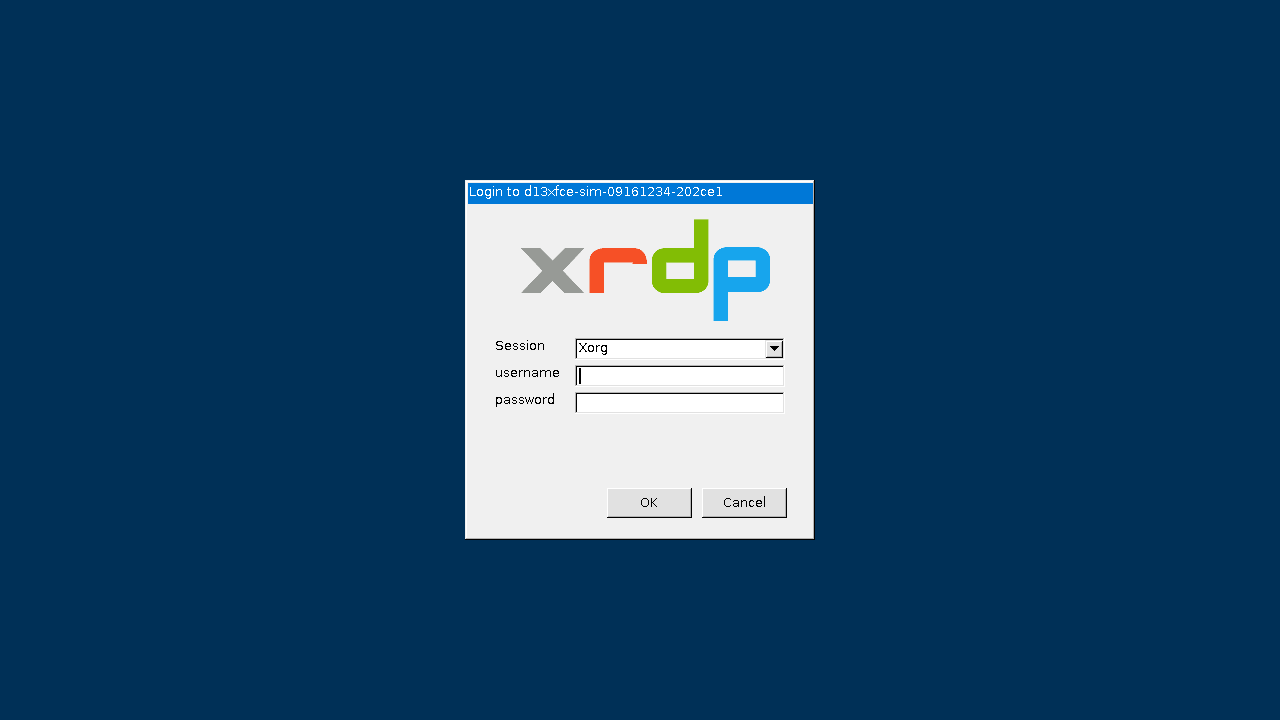
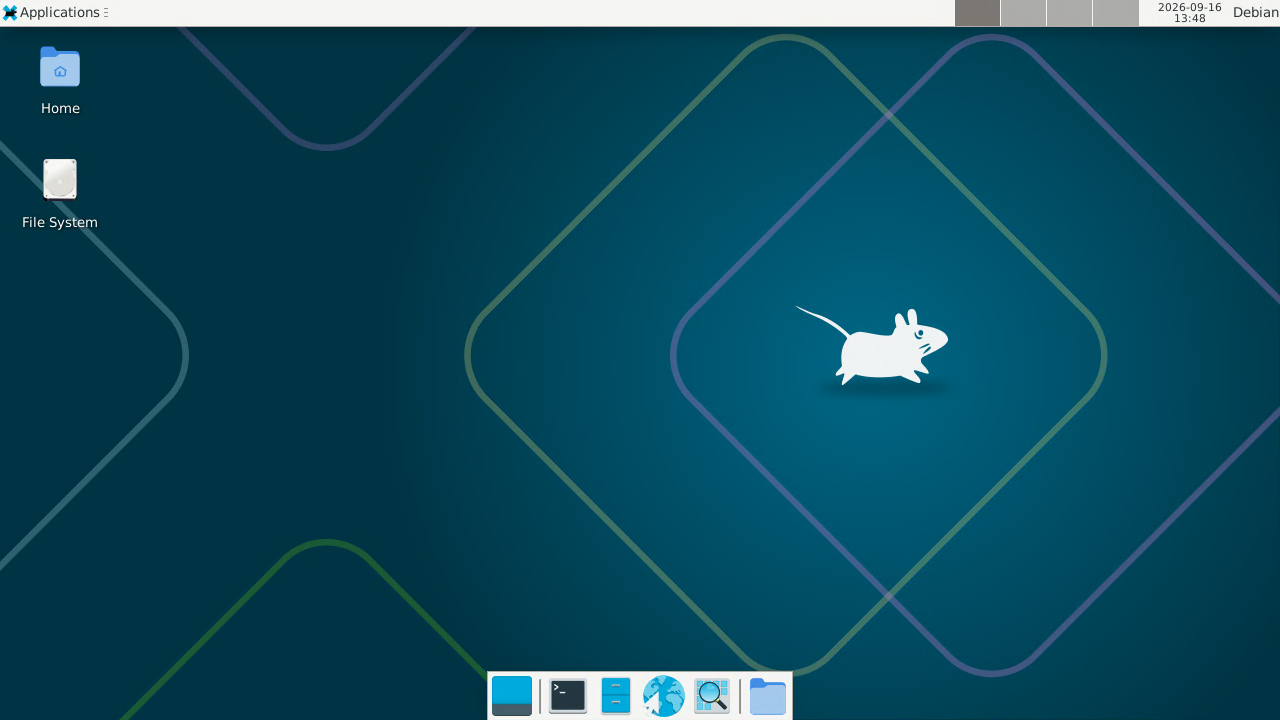
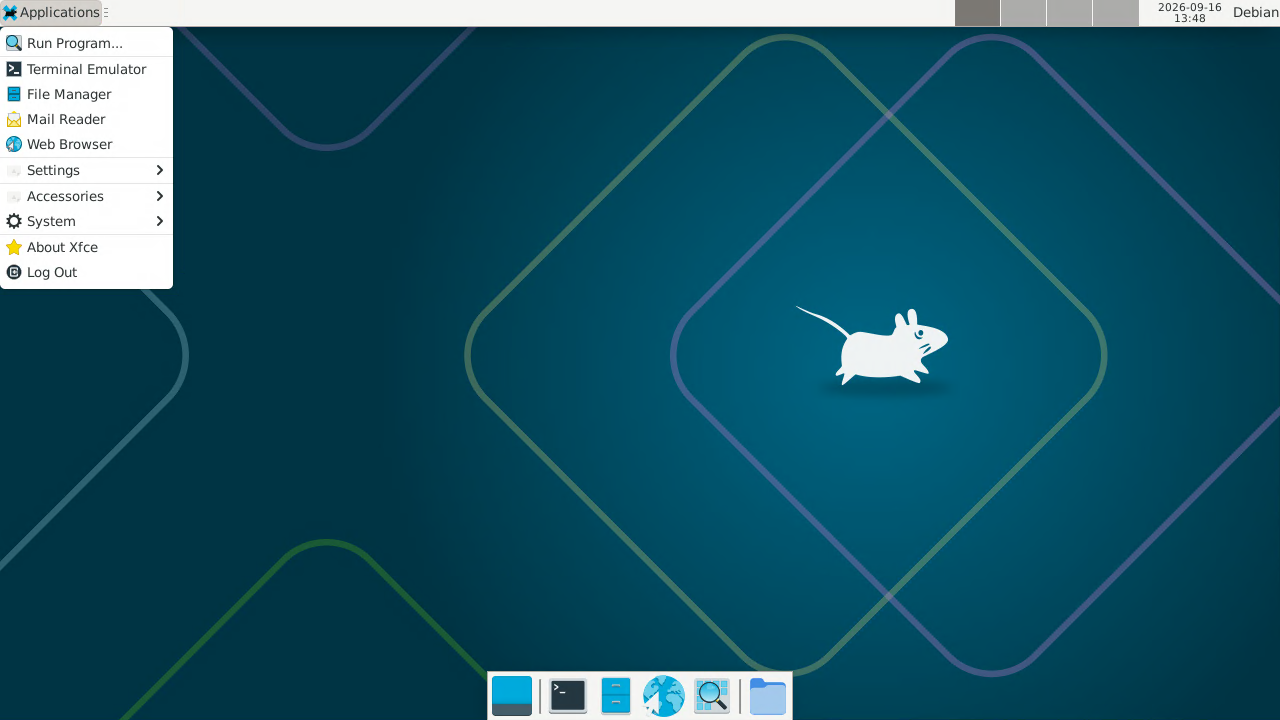
Debian 13 with XFCE Desktop is the cloudimg Debian 13 trixie base with Debian's own XFCE 4.20 desktop added, the same task-xfce-desktop selection Debian's installer offers, together with the LightDM display manager and the xrdp remote desktop server. You connect with any RDP client, the xrdp login box appears, and you sign in with your own Linux account to a full XFCE session running on the virtual machine, with the Applications menu, Thunar file manager, XFCE Terminal, Mousepad and the XFCE settings manager ready to use.
Everything the image adds comes from Debian's main archive, on the same security update stream as the rest of the operating system, and xrdp is at the Debian security release that fixes CVE-2025-68670. XFCE is a deliberately light desktop, idling at roughly 500 to 650 MB here, so the image is sized for Standard_B2s. It suits cloud workstations for Linux development and graphical administration, data and engineering tools that should run close to your cloud resources, training labs, and a secure jump desktop reached only through an SSH tunnel. Debian 13 carries security support from the Debian Security Team followed by Debian LTS, to June 2030.
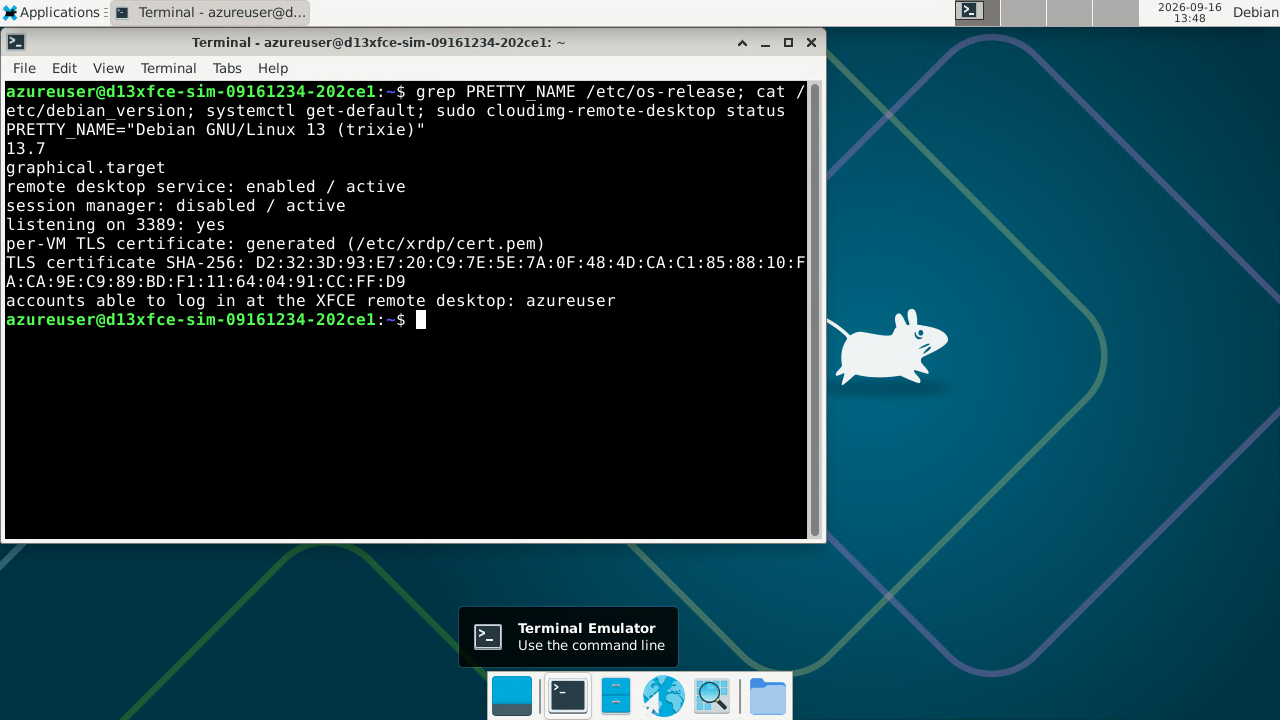
cloudimg builds the desktop so that a new machine exposes nothing but SSH. Remote desktop ships switched off, no account has a password, and the RDP server cannot be enabled until you have set your own, because xrdp signs you in with your ordinary account password rather than a credential of its own. At first boot each machine generates its own TLS certificate and xrdp key, so nothing is shared between machines or baked into the image, and the root login and outbound proxy options in xrdp are switched off. The desktop is installed without the extras a cloud server does not need, Debian's LLMNR listener is disabled, and the remote login path is proven end to end on every build from an RDP client through the login box to a working desktop. It is fully patched at build time, unattended security updates are armed, SSH stays key only, and the image comes with a tested deployment guide and 24/7 support.
Real screenshots taken while testing this image against its deployment guide.

Migrate from CentOS 8 EOL to Alma Linux 8 in under 60 seconds with zero licensing fees. 1:1 RHEL 8 compatible, AWS-optim...
Windows Server 2022 preconfigured with AWS tooling and 24/7 expert support behind it.
Windows Server 2025 Datacenter preconfigured for AWS, with hotpatching to trim maintenance windows.
Oracle Linux 10.0, a RHEL 10 compatible enterprise distribution, tuned for AWS and ready to run.
Available versions: Oracle Linux 8.0, 8.1, 8.2, 8.3, 8.4, 8.5, 8.6, 8.7, 8.8, 8.9, and 8.10. Each version is available a...
Available versions: Oracle Linux 8.0, 8.1, 8.2, 8.3, 8.4, 8.5, 8.6, 8.7, 8.8, 8.9, and 8.10. Each version is available a...