Base
Hardened build
minimal ports, security patches applied at build time

Alfresco Community Edition, an open source content management platform for storing, versioning and searching the documents a business runs on, packaged by cloudimg to boot ready to use.
Alfresco Community Edition is an open source enterprise content management platform. It gives an organisation a single governed home for its documents: files are stored in a content repository with full version history, folder structure, metadata, and permissions that can be set per site, per folder or per document. Users work through the Share web interface, where content is organised into collaboration sites with document libraries, and every change is tracked so an earlier revision can always be recovered.
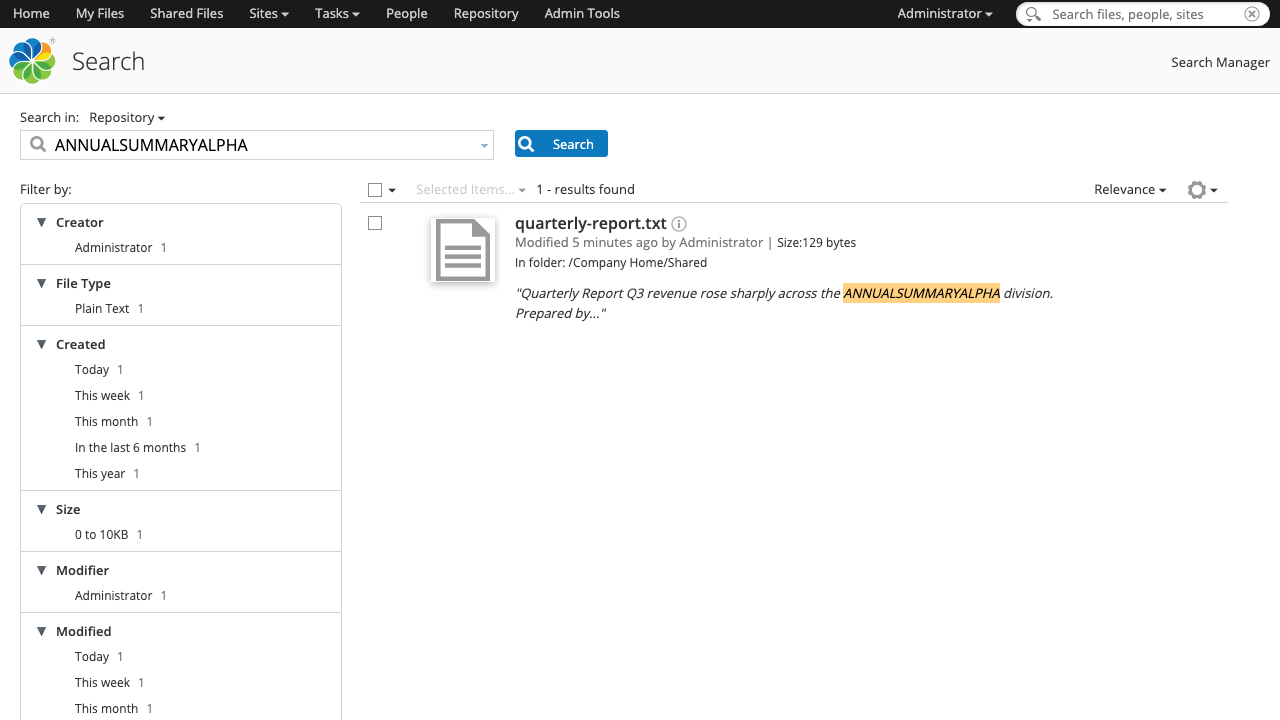
The platform indexes both metadata and the full text of documents, so content can be found by what it says rather than only by what it is called. Alongside the web interface it exposes a comprehensive ReST API and the CMIS standard, which makes it a content store other applications can build on rather than a closed silo. Folder rules and workflow can move, classify or route documents automatically as they arrive.
This image ships the Community Edition. It is the freely available edition of the platform: the repository, the Share interface and full text search. It does not include the clustering, records management or vendor support that the commercial edition adds.
The platform is a multi component Java stack: a content repository, a separate search service and a database, each of which has to be configured to talk to the others before anything works. cloudimg ships that assembly already done and proven, so a VM comes up as a working content repository rather than a set of parts.
Every secret is unique to your VM. The administrator password is generated at first boot and written to a root only file, and the upstream default is never created at all rather than created and then changed, so there is no window in which the published default would work. The database credential, the secret shared between the repository and the search service, and the metadata encryption keystore are all generated per VM at the same time. The repository, the search service and the database are bound to loopback, so the web interface is the only surface reachable from the network. Every image is paired with a deploy guide written against a real running VM, and is backed by 24/7 support.
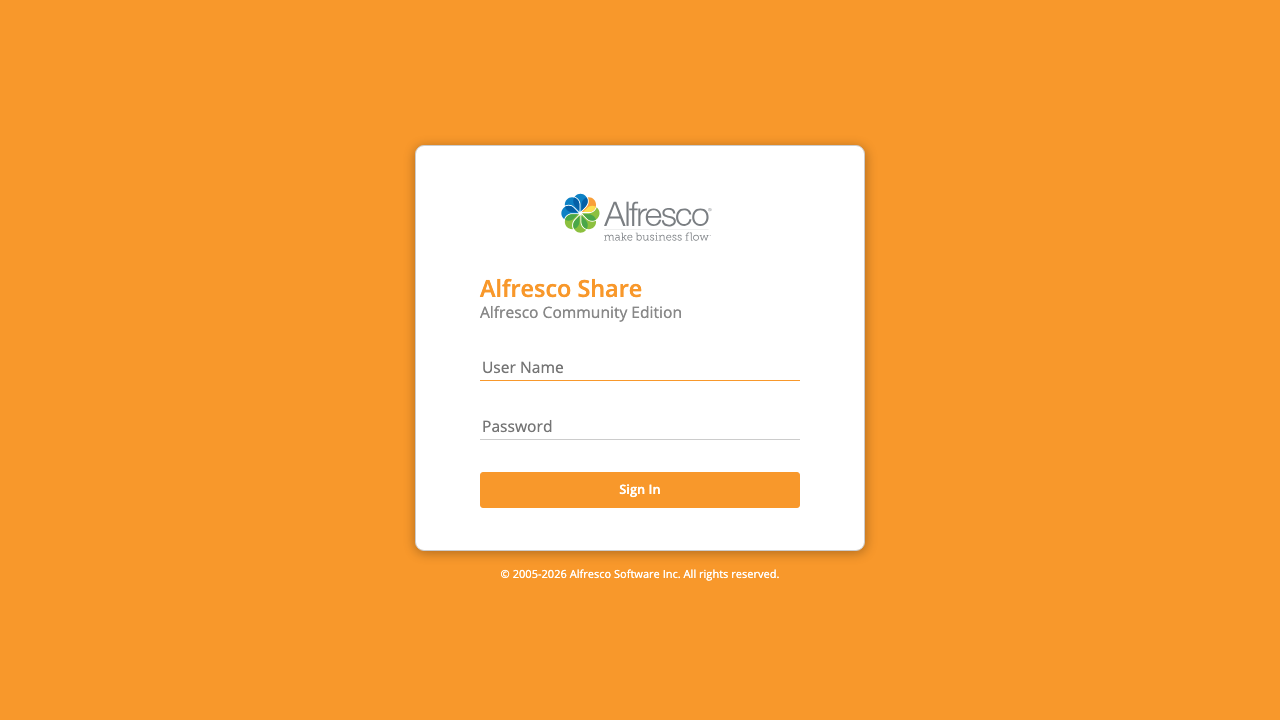
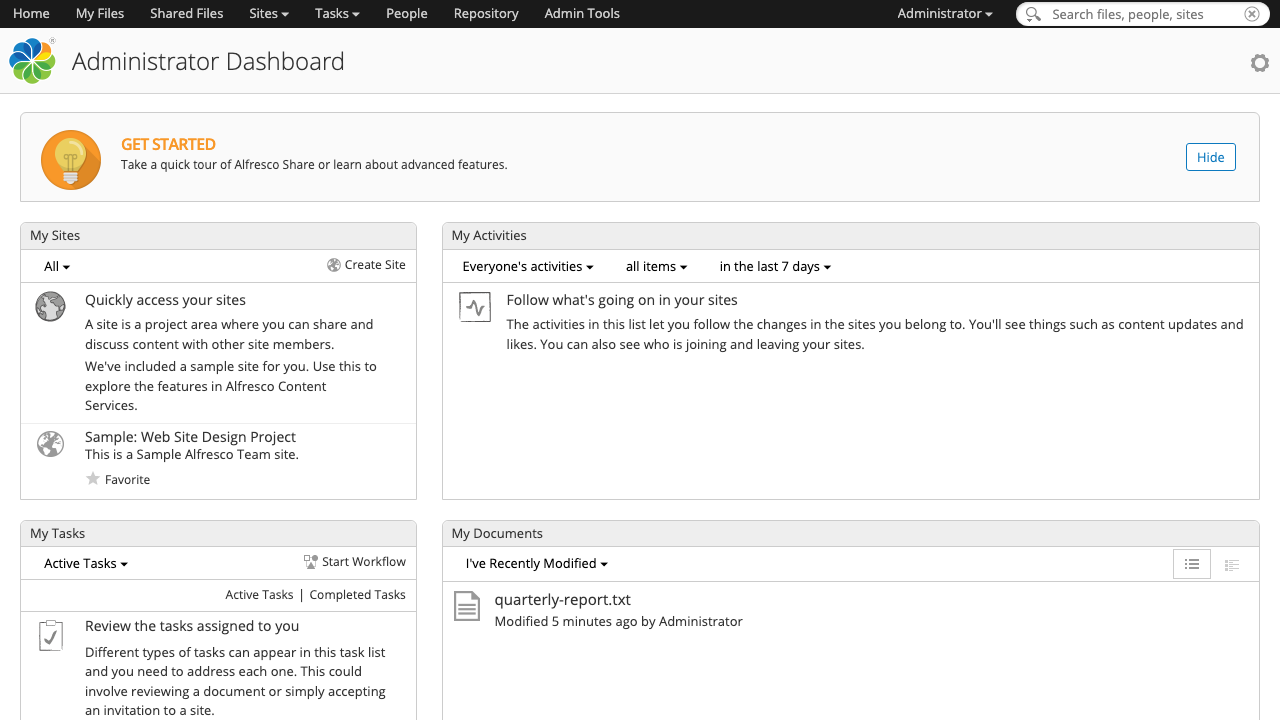
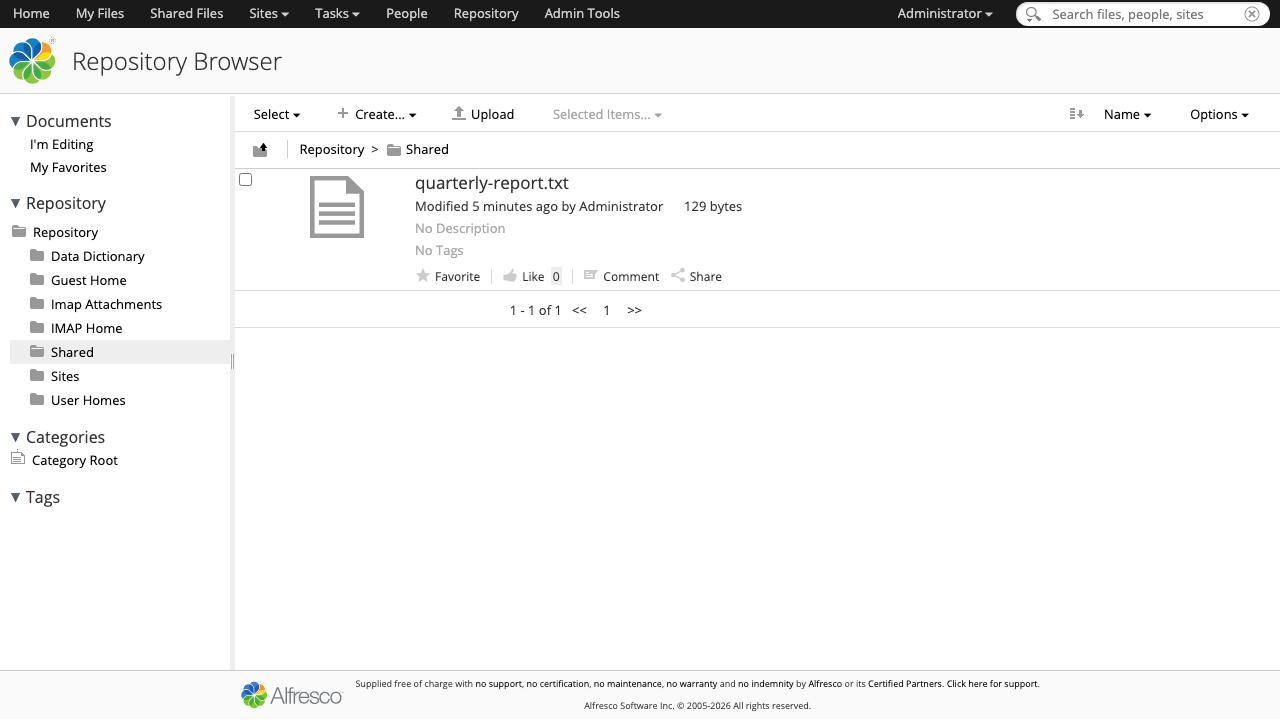
Real screenshots taken while testing this image against its deployment guide.

What cloudimg adds to every version - Every image is built by cloudimg on a fully patched base with the latest security ...
AIStore is an open source object storage system from NVIDIA, built for the read heavy, high throughput access patterns o...

Apache Ozone is the scalable, distributed object store for Hadoop and cloud-native workloads. It exposes both an S3-comp...

ArozOS on Ubuntu 24.04 LTS preconfigured machine image for Microsoft Azure, hardened and verified with 24/7 support by c...

Backrest is a popular open source web interface and orchestrator for restic, the fast, secure, deduplicating backup prog...

The image installs Bacula 13.0.4 from the Ubuntu 24.04 archive and runs the Director, a Storage Daemon writing to a file...