Base
Hardened build
minimal ports, security patches applied at build time

Apache Seata, a distributed transaction coordinator for microservices, ready to keep a business operation consistent across services and databases the moment it boots.
Apache Seata is an open source distributed transaction solution for microservices. At its centre is the Seata Server, a Transaction Coordinator that services register with so that a single business operation spanning several microservices and databases either commits everywhere or rolls back everywhere, rather than leaving data half updated when one step fails. It supports four transaction modes, AT for automatic compensation with no application code changes, TCC for explicit try, confirm and cancel logic, SAGA for long running workflows, and XA for standard two phase commit, so teams can pick the model that fits each service.
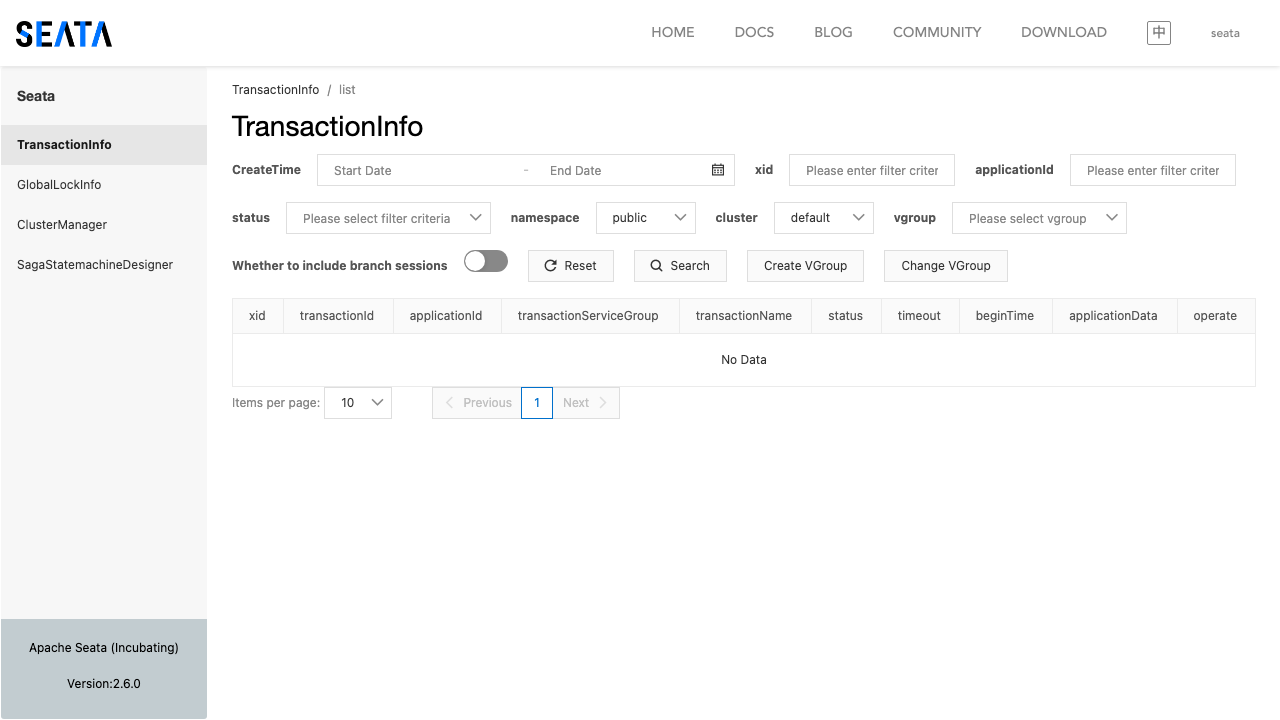
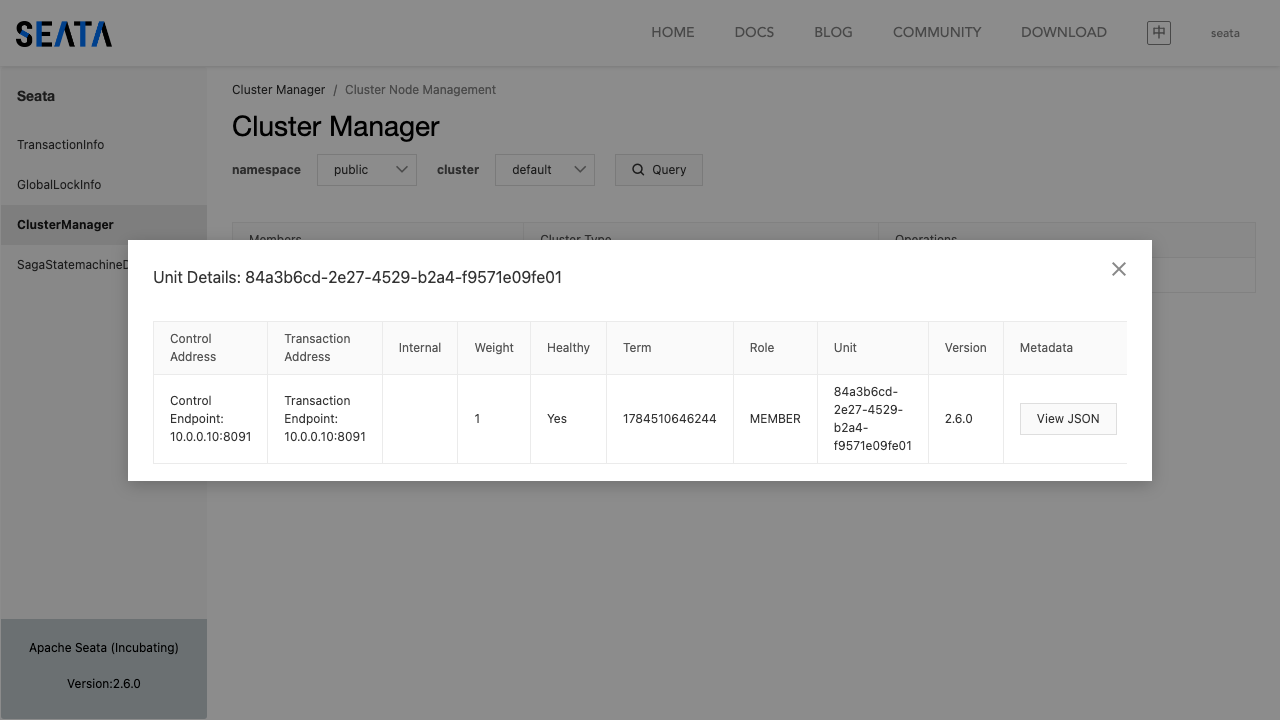
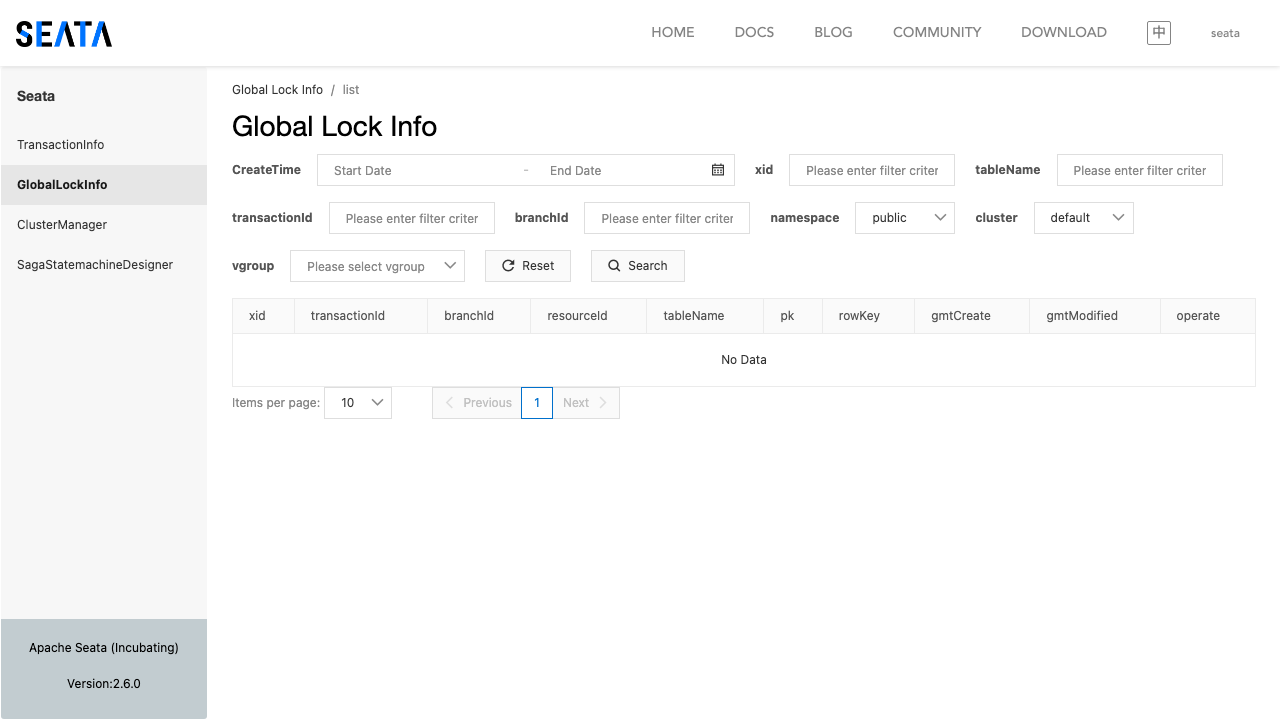
The coordinator exposes a service endpoint that resource managers and transaction managers inside your applications connect to, and a web console for browsing global transactions, global locks and the coordinator cluster. It suits engineering teams building a microservices platform who need reliable data consistency across service boundaries without hand rolling their own compensation and recovery logic.
cloudimg delivers the Seata Server fully installed and running in standalone file store mode, so it is self contained with no external database to provision before it answers. The image is secure by default: the web console binds to the loopback interface and is fronted by a reverse proxy, and on the first boot of every instance a unique console password is generated, written into the server environment and recorded in a root only file, so the upstream default login never governs a running server and no two instances share a credential. The coordinator endpoint is published for your own microservice clients to connect to, the base is fully patched with unattended security upgrades enabled, and every deployment is paired with a step by step deploy guide and backed by 24/7 cloudimg support.
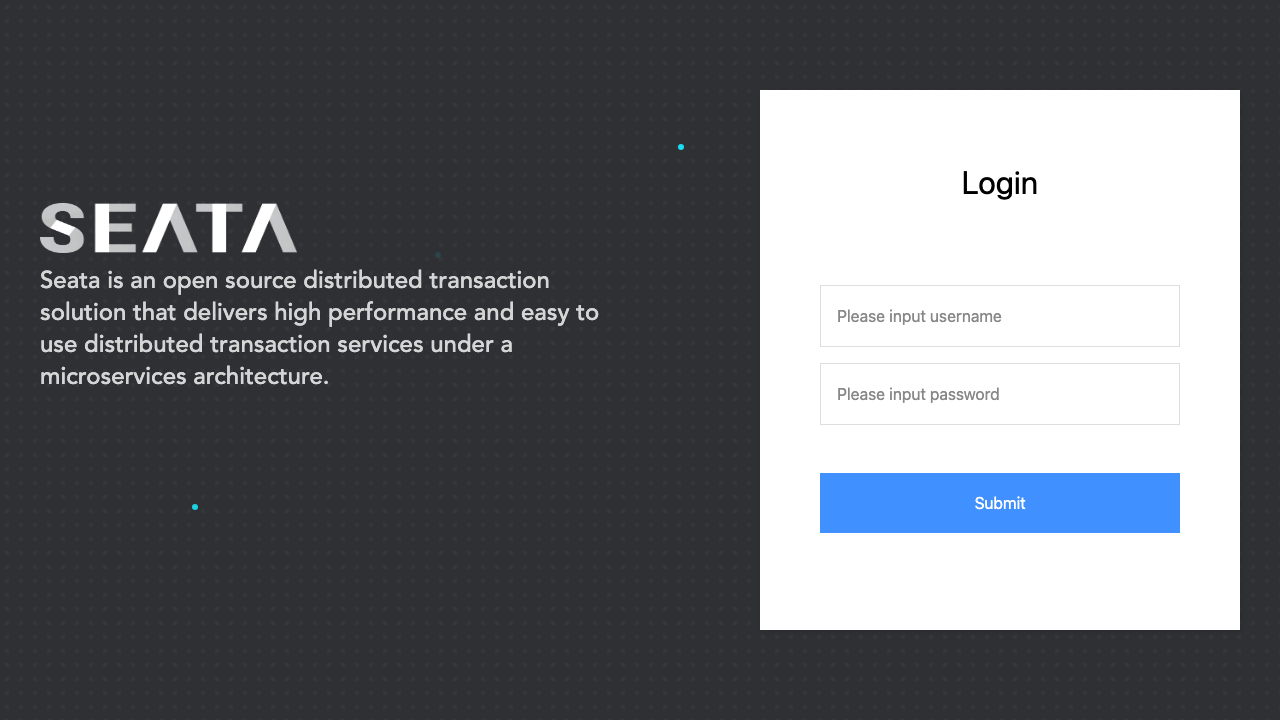
Real screenshots taken while testing this image against its deployment guide.

1Panel is an open source, web based control panel for managing a Linux server from the browser.

Alibaba Sentinel is a flow control, circuit breaking and real-time monitoring platform for microservices and distributed...

Apache Directory Server (ApacheDS) is an extensible, embeddable LDAP v3 and Kerberos directory server written in Java by...
Apache Dubbo is an RPC and microservice framework; this image ships the Dubbo Admin console with a ZooKeeper registry, h...

Apache Guacamole is a clientless remote desktop gateway: it delivers RDP, VNC and SSH sessions to a plain web browser, w...

Apache ShenYu is a high-performance, reactive API gateway built for microservices.