Base
Hardened build
minimal ports, security patches applied at build time
one registry for every package format your teams build: maven, npm, pypi, containers, cargo, go, helm and operating system packages published to and pulled from a single authenticated endpoint.
Artifact Keeper is an open source universal artifact registry. Instead of running a separate server for every language your teams build in, it speaks the native protocols of many package ecosystems from one endpoint, so Maven, npm, PyPI, container, Cargo, Go, Helm and operating system packages can all be published to and pulled from the same place, with one set of credentials and one audit trail.
Because every format lands in the same registry, the things teams usually rebuild per language come for free: one place to look when you need to know where a binary came from, one permission model covering every kind of build output, and one set of tokens for continuous integration instead of a different secret per package manager. Repository metadata lives in a database on the instance and artifact content lives on the instance's own disk, so both survive restarts and reboots, and a working registry is available within minutes of launch with no manual configuration.
A registry is only as trustworthy as the credential in front of it, so this image ships with none that anyone could know. The administrator password, the secret that signs tokens and sessions, the database password and the TLS material are all generated uniquely on each instance's first boot, and the registry keeps its own setup lock armed so that password must be changed before the API will serve a single request. No two deployments share a credential, nothing usable exists in the image at any moment, and anonymous access is switched off rather than left on, so an unauthenticated caller is refused instead of being shown a read only view.
Only SSH and HTTPS are reachable. The registry's own services never leave the loopback interface, there is no plaintext port at all, not even one that would merely redirect, and the database has no network listener whatsoever. The application runs from the official upstream images pinned by digest and started with pulling disabled, so an instance can never fetch different bytes than the ones that were measured, while the TLS terminator and the database are ordinary distribution packages that keep receiving security updates for the life of the release.
An on instance self test proves the whole posture at any time: it pushes an artifact through the real front door, fetches it back and compares the bytes, confirms a read only token cannot write, removes everything it created, and confirms every refusal the registry is supposed to make. Each of its checks is itself tried against a known bad input first, so a check that had stopped working would be caught rather than quietly passing. The optional scanning and search services are deliberately switched off, because they do not fit comfortably on the recommended instance size and their vulnerability databases would be stale the day the image was captured; the deploy guide explains what each one adds and how to turn it on. Every image is paired with a step by step deploy guide tested against this exact build and backed by 24/7 cloudimg support.
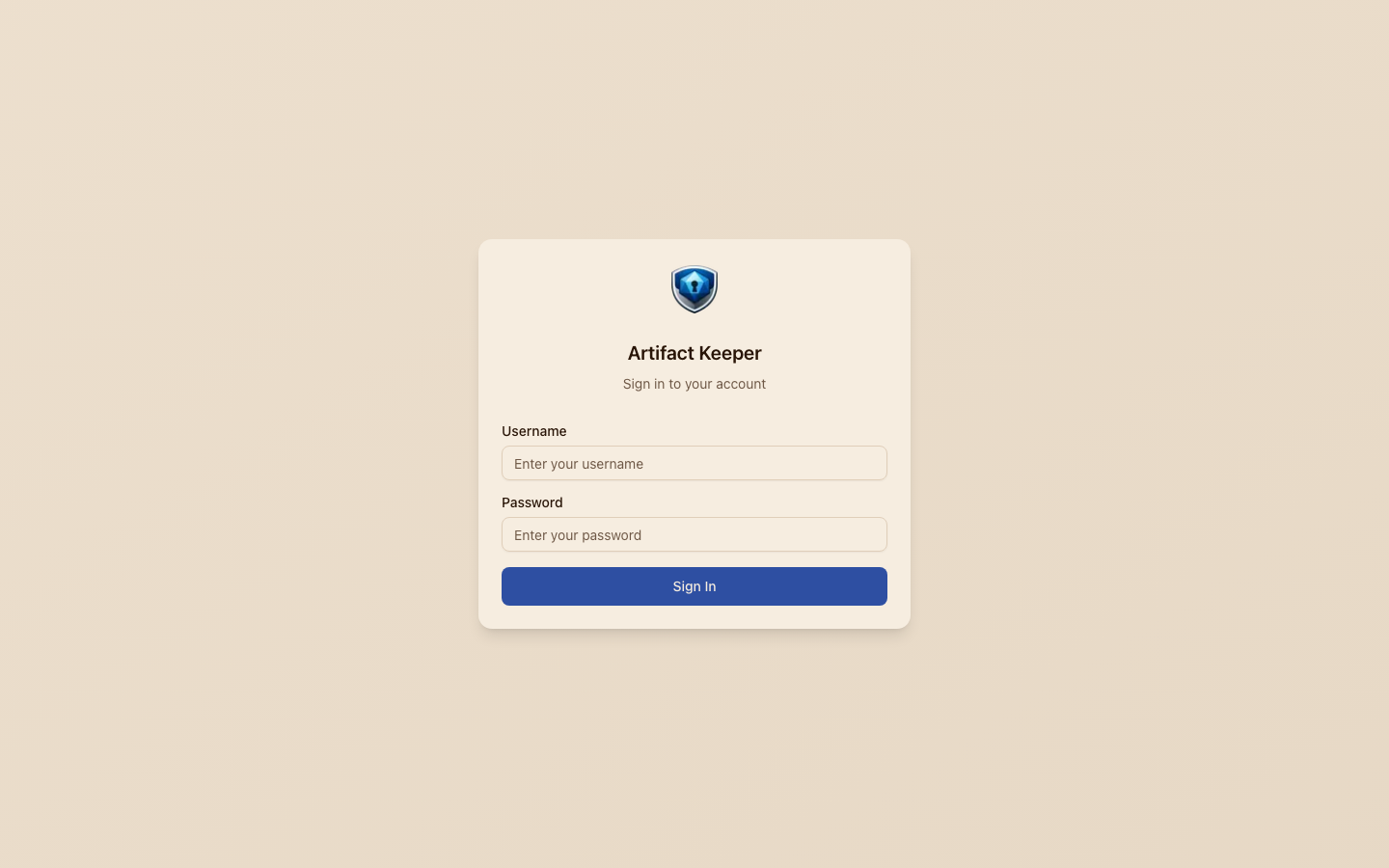
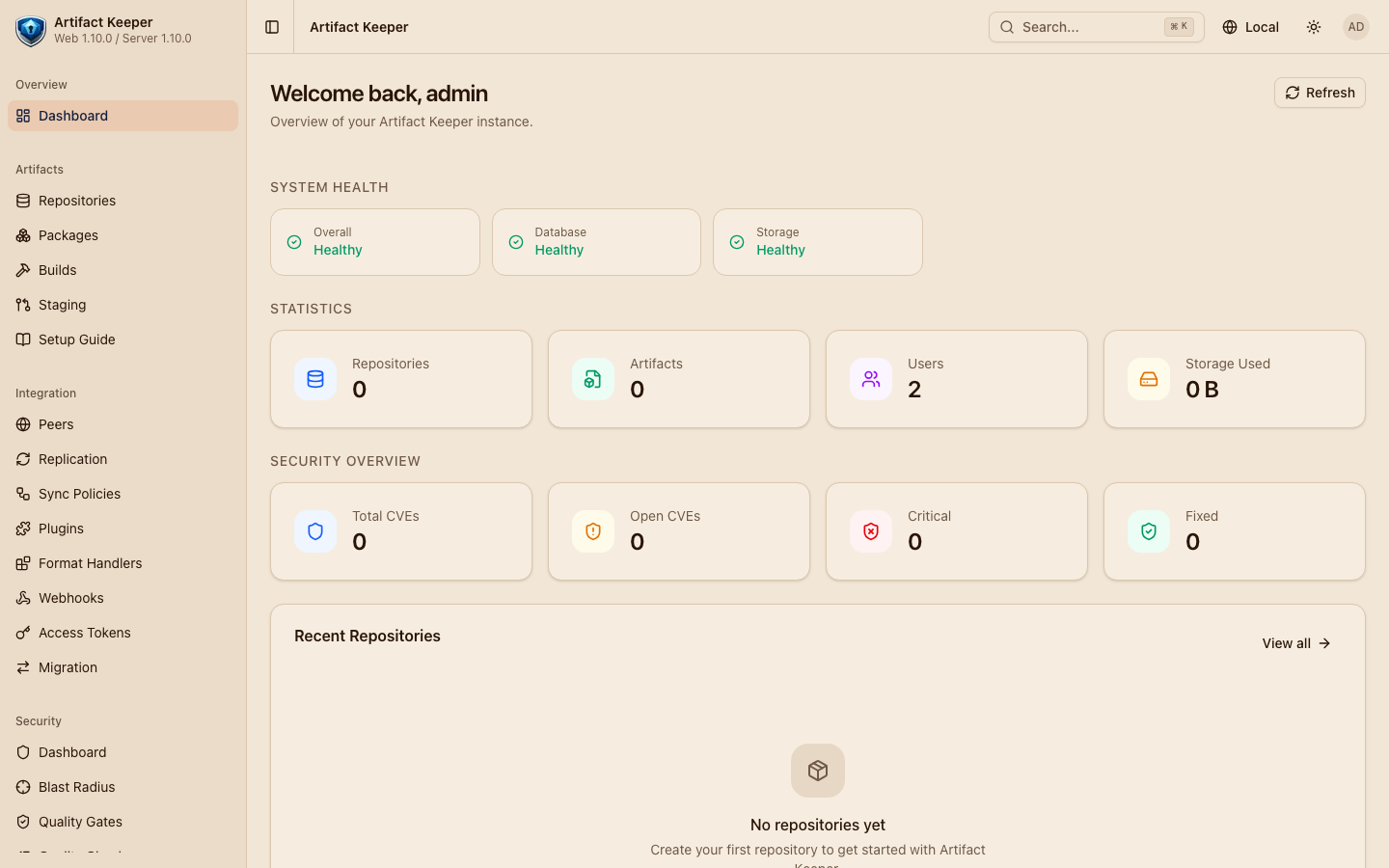
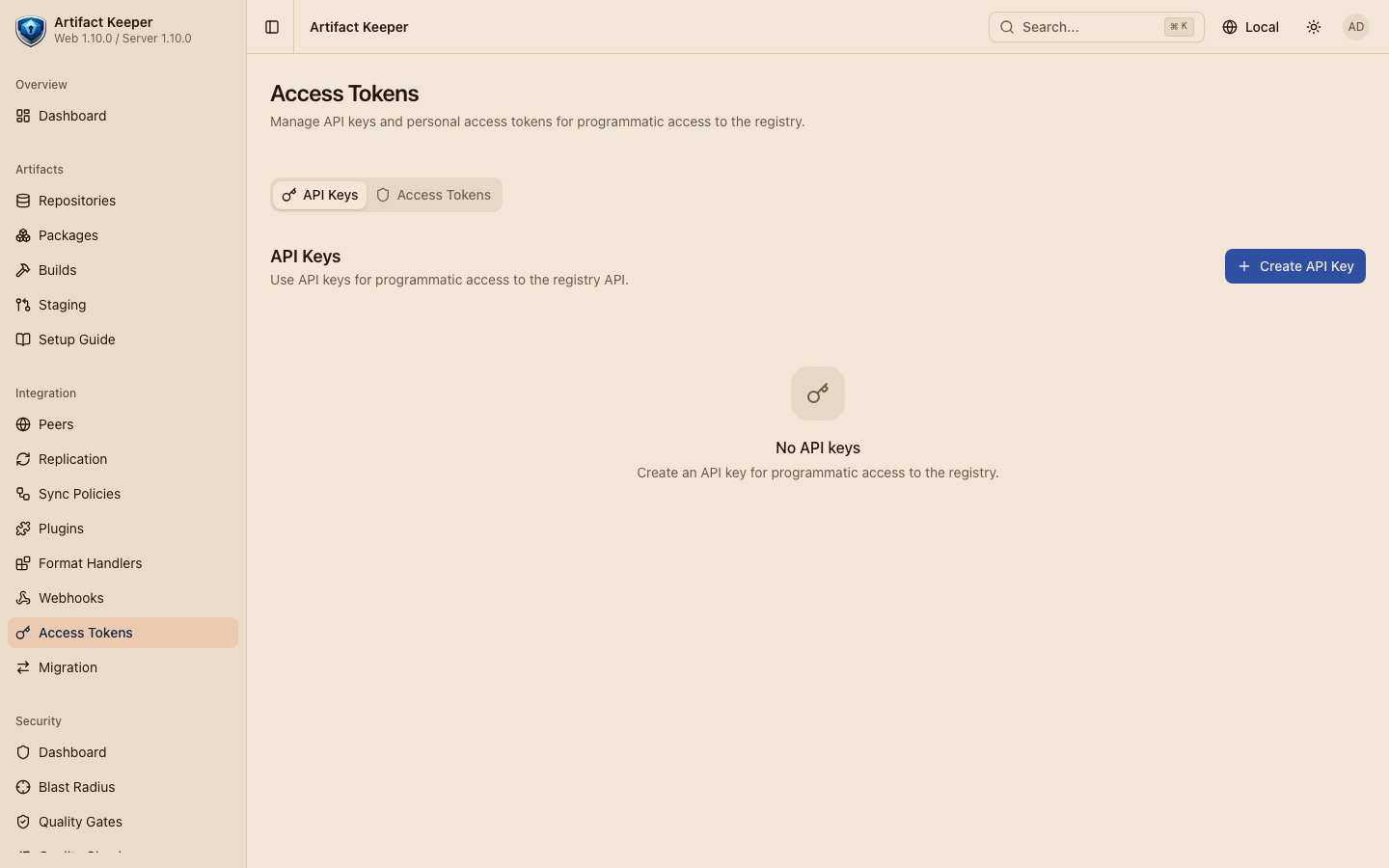
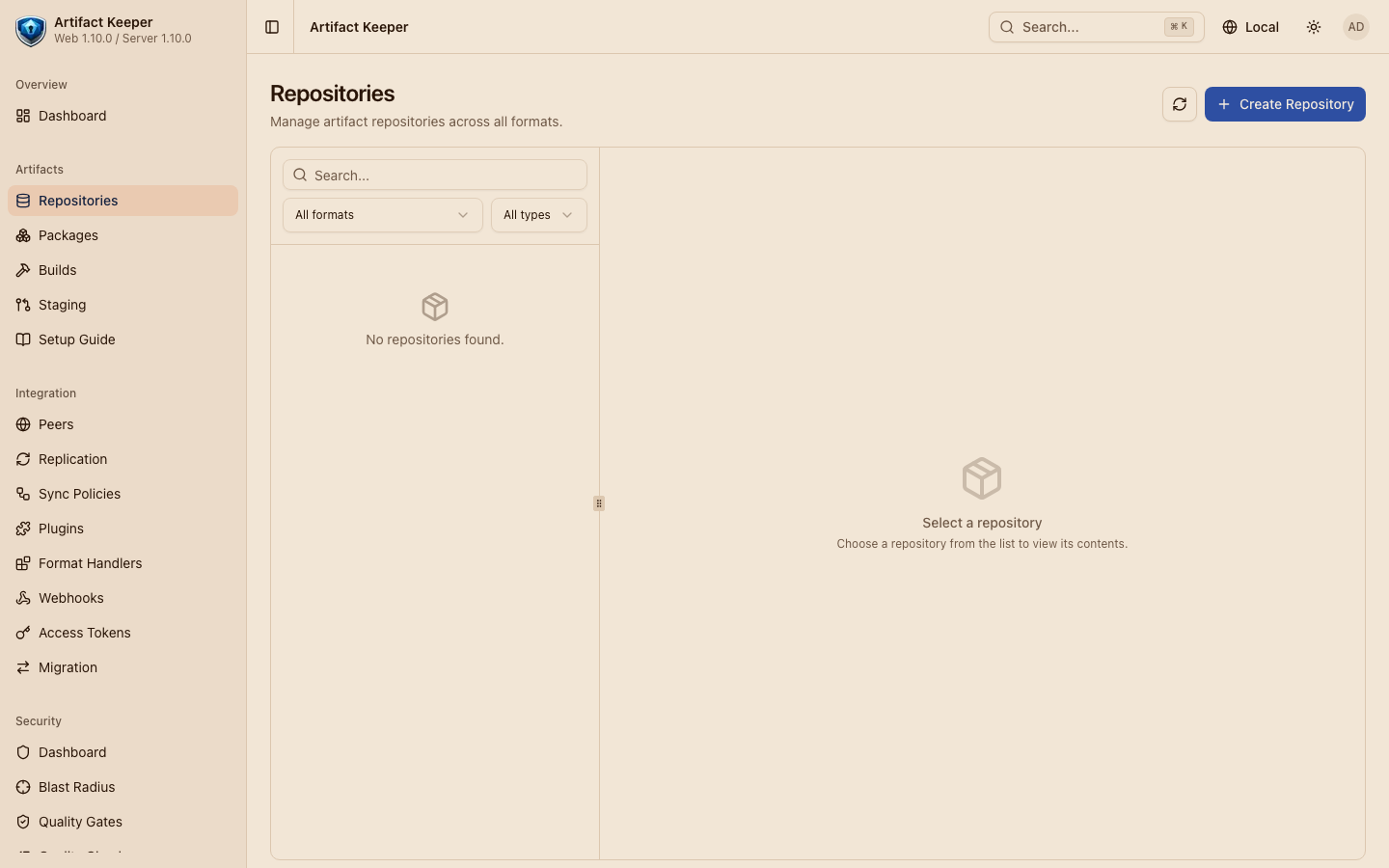
Real screenshots taken while testing this image against its deployment guide.

Docker Community Edition is the free, open source container runtime that allows you to package applications and their de...
Docker Community Edition preconfigured across several Linux variants, running containers within minutes of launch.

Self hosted GitLab CE with CI/CD, a container registry and Let's Encrypt SSL, preconfigured for AWS.

Around that core it adds a side by side editor with comments and a review state for each key, conflict detection when a ...
Apache Allura is the open source project hosting platform, or forge, that powers SourceForge.

This image runs Altair GraphQL Client 8.5.7, an open source GraphQL IDE, on Ubuntu 24.04 LTS.