Base
Hardened build
minimal ports, security patches applied at build time

mosparo, a privacy friendly, self hosted spam protection service that shields your web forms by checking what was actually submitted, with no puzzles for your visitors and no visitor tracking.
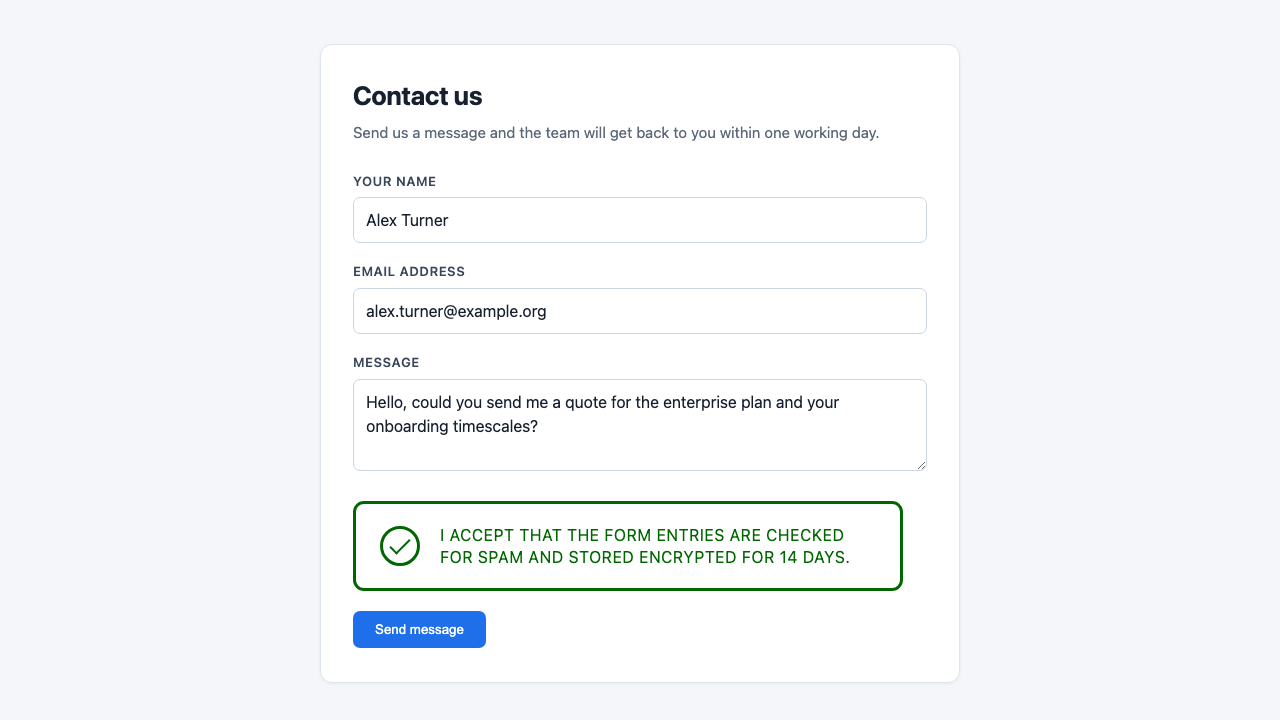
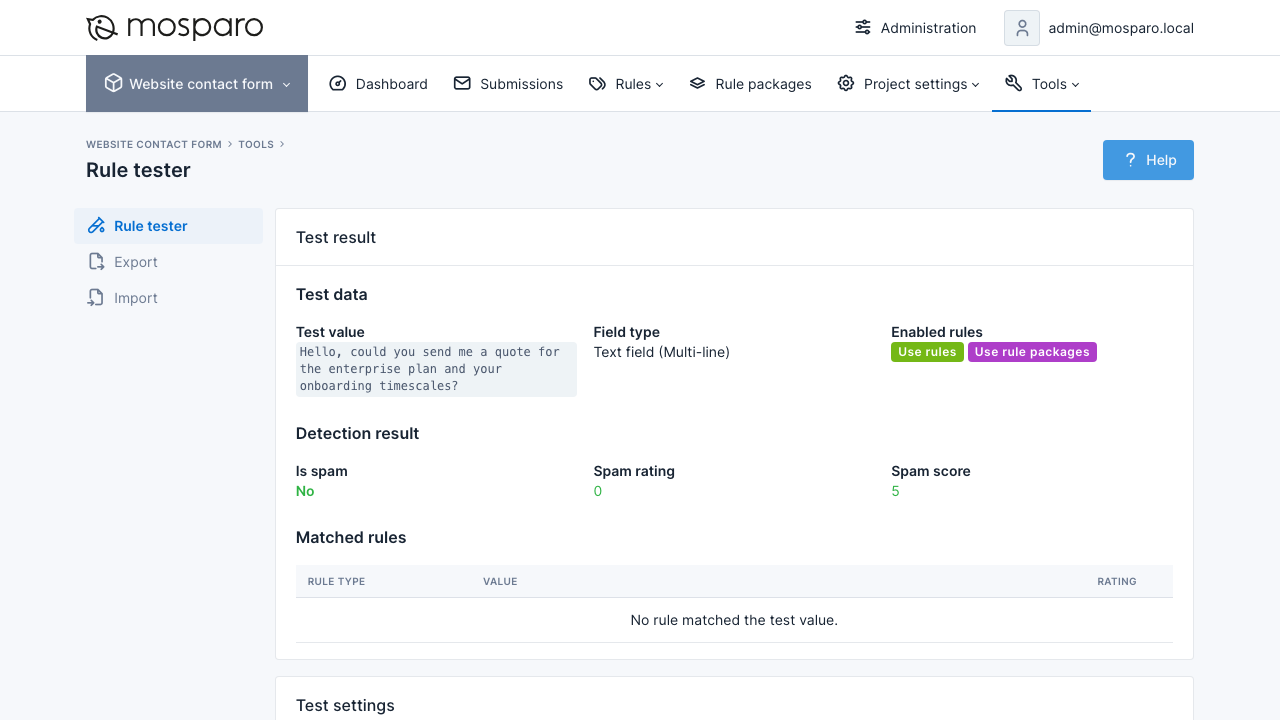
mosparo is an open source, self hosted spam protection service for web forms. Instead of asking a visitor to solve a puzzle or identify traffic lights, it analyses the content that was actually submitted against configurable rules and spam signals, so a genuine visitor usually sees nothing more than a small confirmation box. You create a project in the mosparo interface, embed its lightweight frontend script in your form, and your backend verifies each submission against your own instance using that project's public and private keys.
Because the instance is yours, form submissions are never sent to a third party and no tracking or fingerprinting scripts are placed on your visitors. That makes it a practical answer for organisations that need effective spam filtering on contact, registration, comment and newsletter forms while keeping their data protection posture defensible. It ships integrations for common content management systems and form builders, plus a documented API for anything custom.
cloudimg delivers mosparo fully installed on an nginx and PHP stack with a local MariaDB database, so the interface is ready as soon as the instance boots. The image is deliberately shipped with no configuration file and an empty database: on the first boot of every instance a one shot service generates a unique database password, encryption key and application secret, runs mosparo's own installer against them and creates the administrator account, writing the credentials to a root only file on that machine. Until that finishes, the web interface is bound to loopback and nothing is published on the public port, so no instance is ever reachable in an unconfigured, unclaimed state and no secret is shared between customers. Every image is paired with a step by step deployment guide and backed by 24/7 support.
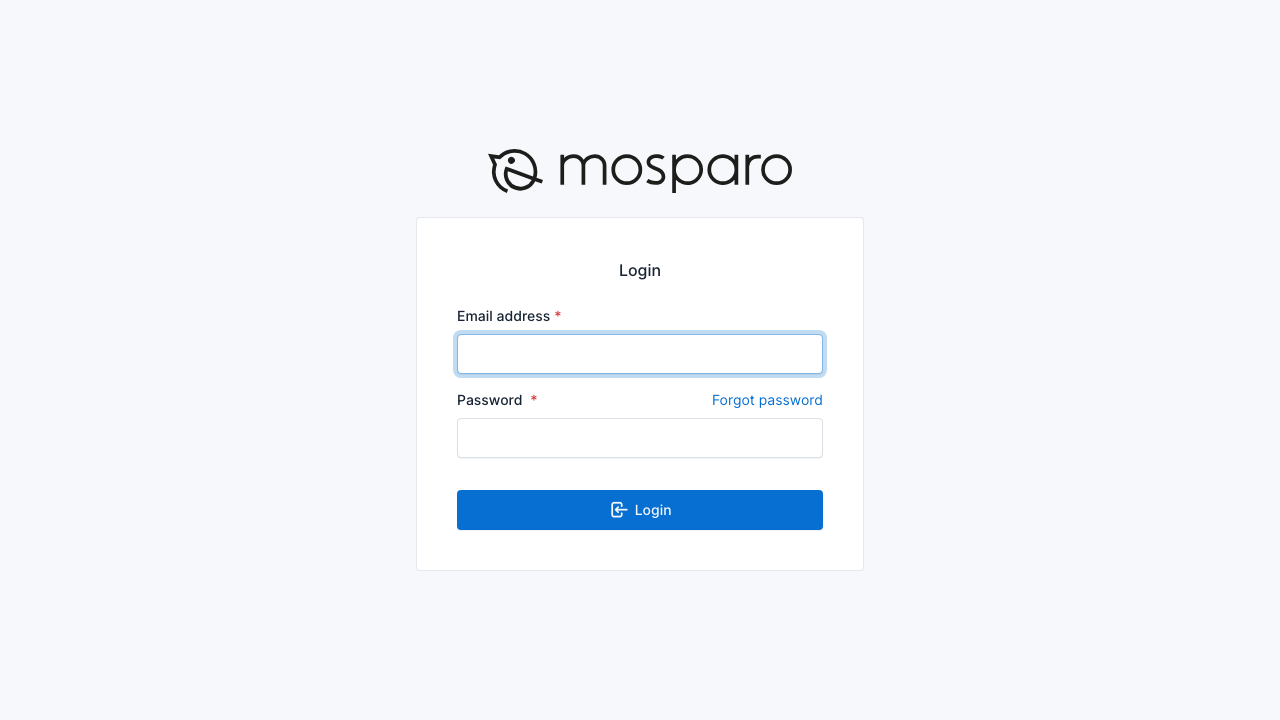
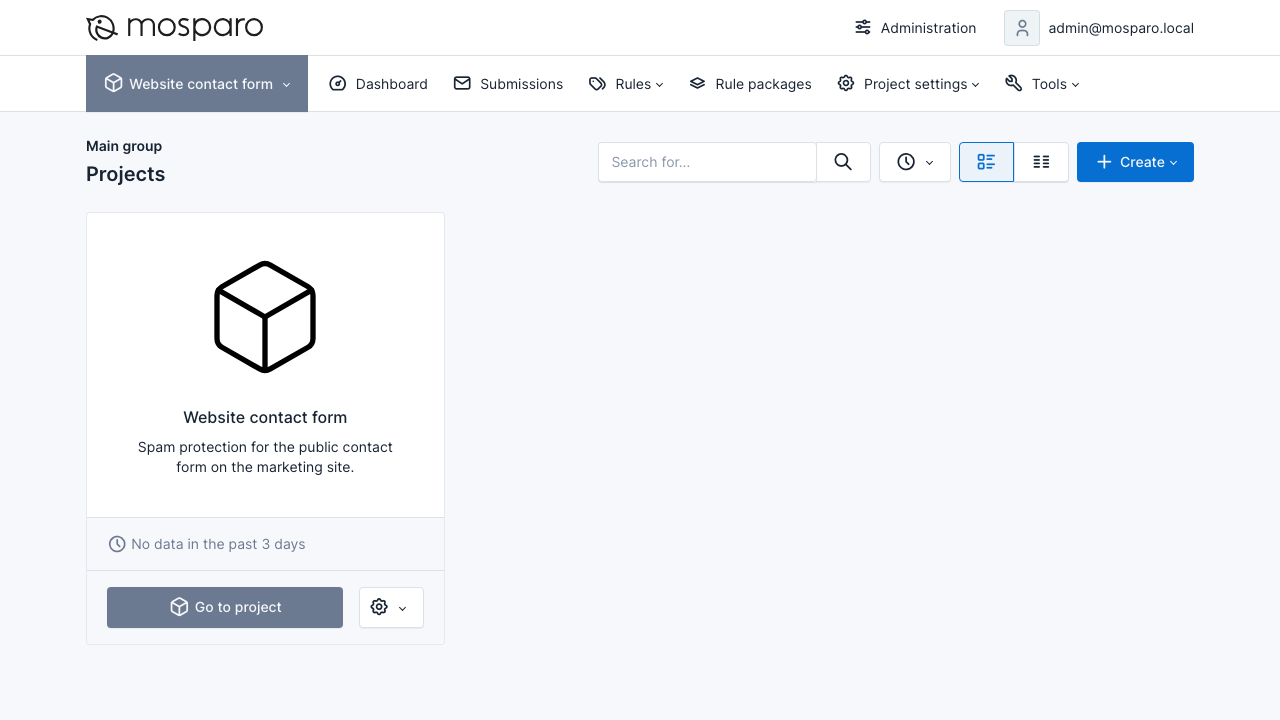
Real screenshots taken while testing this image against its deployment guide.

What cloudimg adds to every version - Every image is built by cloudimg on a fully patched base with the latest security ...

What cloudimg adds to every version - Every image is built by cloudimg on a fully patched base with the latest security ...

What cloudimg adds to every version - Every image is built by cloudimg on a fully patched base with the latest security ...

What cloudimg adds to every version - Every image is built by cloudimg on a fully patched base with the latest security ...

What cloudimg adds to every version - Every image is built by cloudimg on a fully patched base with the latest security ...
2FAuth is a free, open source, self hosted web app for managing your two factor authentication accounts.