Base
Hardened build
minimal ports, security patches applied at build time

a lightweight, self hosted web application firewall with a web admin console for protecting your sites, blocking attacks and managing access rules
SamWaf is a lightweight, self hosted web application firewall. It sits in front of your web applications as a reverse proxy, inspecting traffic for SQL injection, cross site scripting, remote command execution, path traversal and scanner activity, and lets you define protected hosts, IP and URL allow and block lists, rate limiting for bots and scrapers, and automatic TLS certificates, all from a web admin console. Everything is stored in a single embedded, encrypted database, so there is no separate database service to run or secure.
It suits small companies, studios and personal sites that want their own private web application firewall rather than a hosted cloud WAF service, teams that need visibility into who is hitting their sites and what requests look like, and anyone who wants attack protection, access control and certificate management in one lightweight console.
cloudimg ships SamWaf ready to protect your first site the moment you sign in, with no separate database or reverse proxy to wire up first. Security is designed in around how SamWaf itself starts: the application creates its own administrator account with a freshly generated password the first time it starts against an empty database, and every cloudimg instance is captured with that database empty, so each machine's first real boot generates its own unique administrator password rather than shipping a shared or predictable one. That password is written to a root only file on the machine, and cloudimg proves the whole chain works before the image ships: a real login with the generated password, a real authenticated call to the protected host list, and confirmation that a legacy default password is rejected. The base is fully patched with unattended security updates enabled, and every image comes with a step by step deploy guide tested against the exact build and 24/7 cloudimg support.
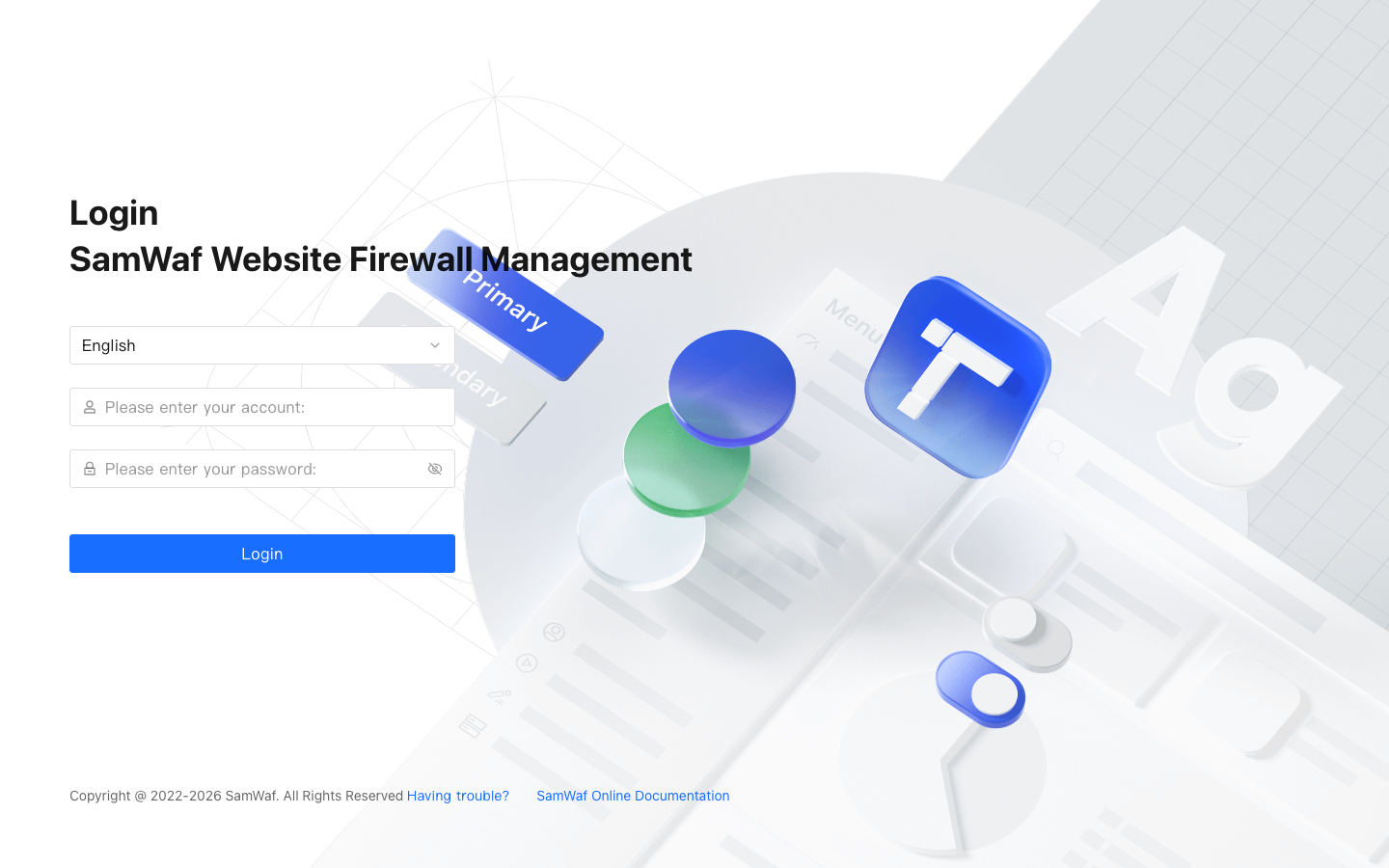
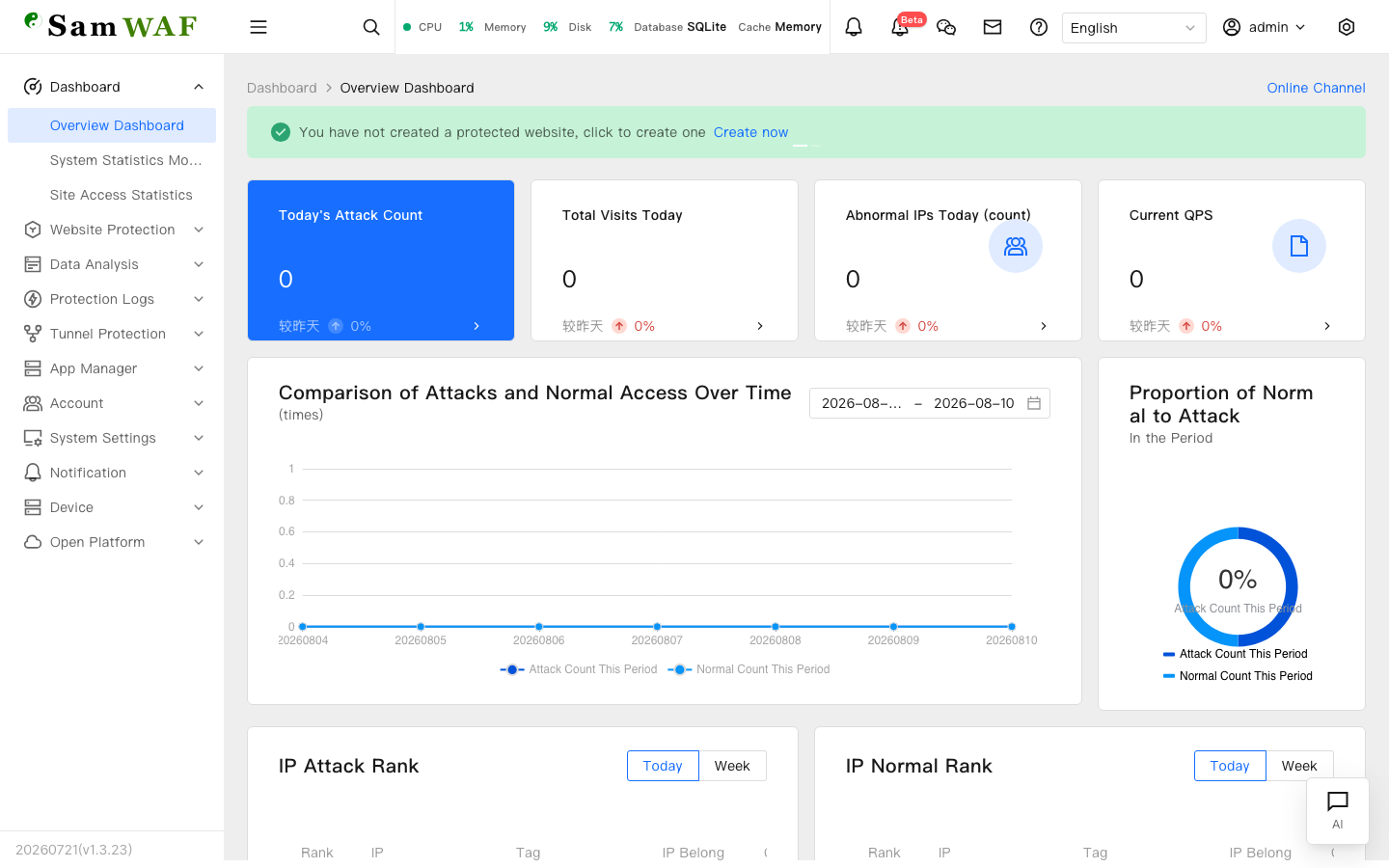
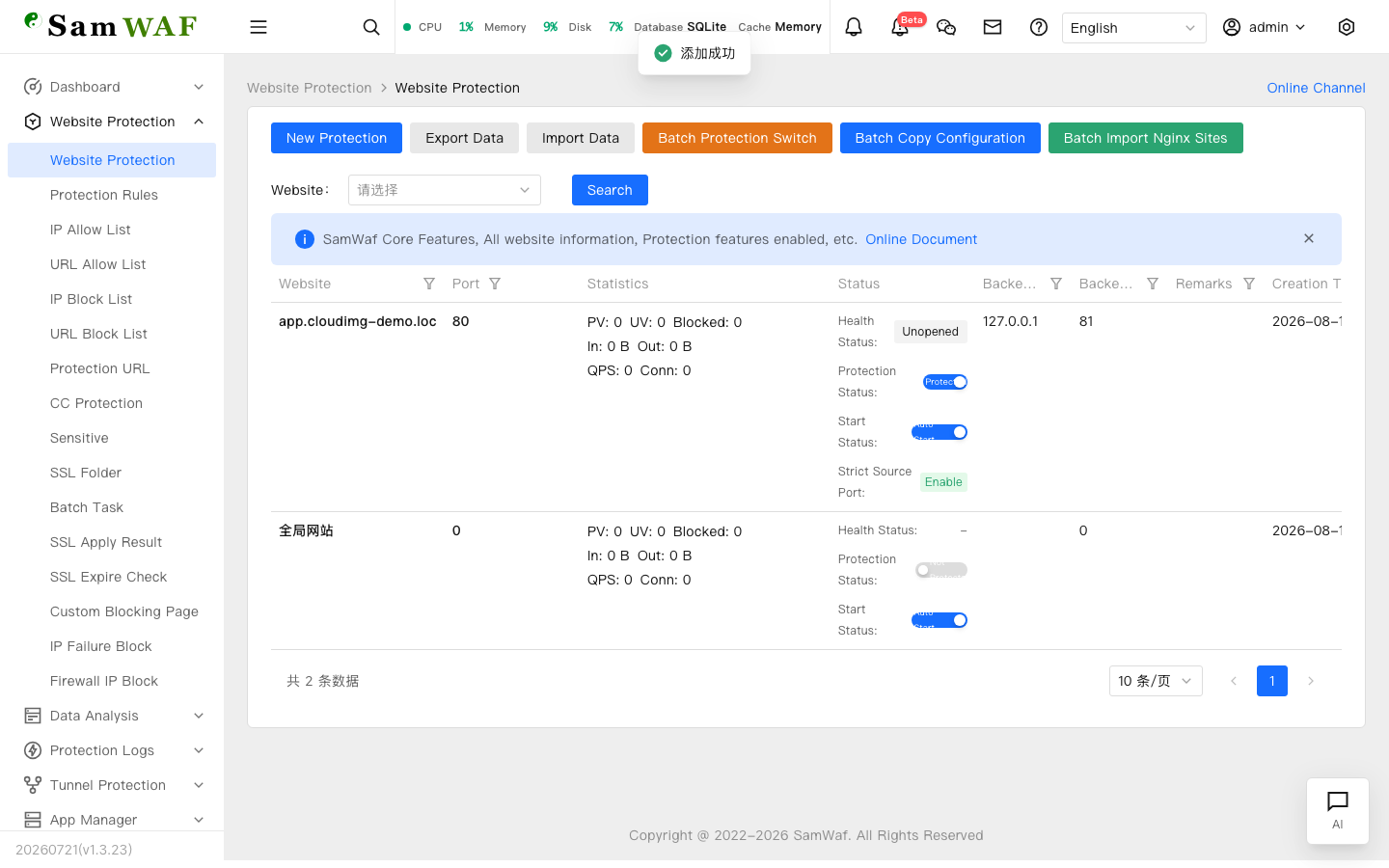
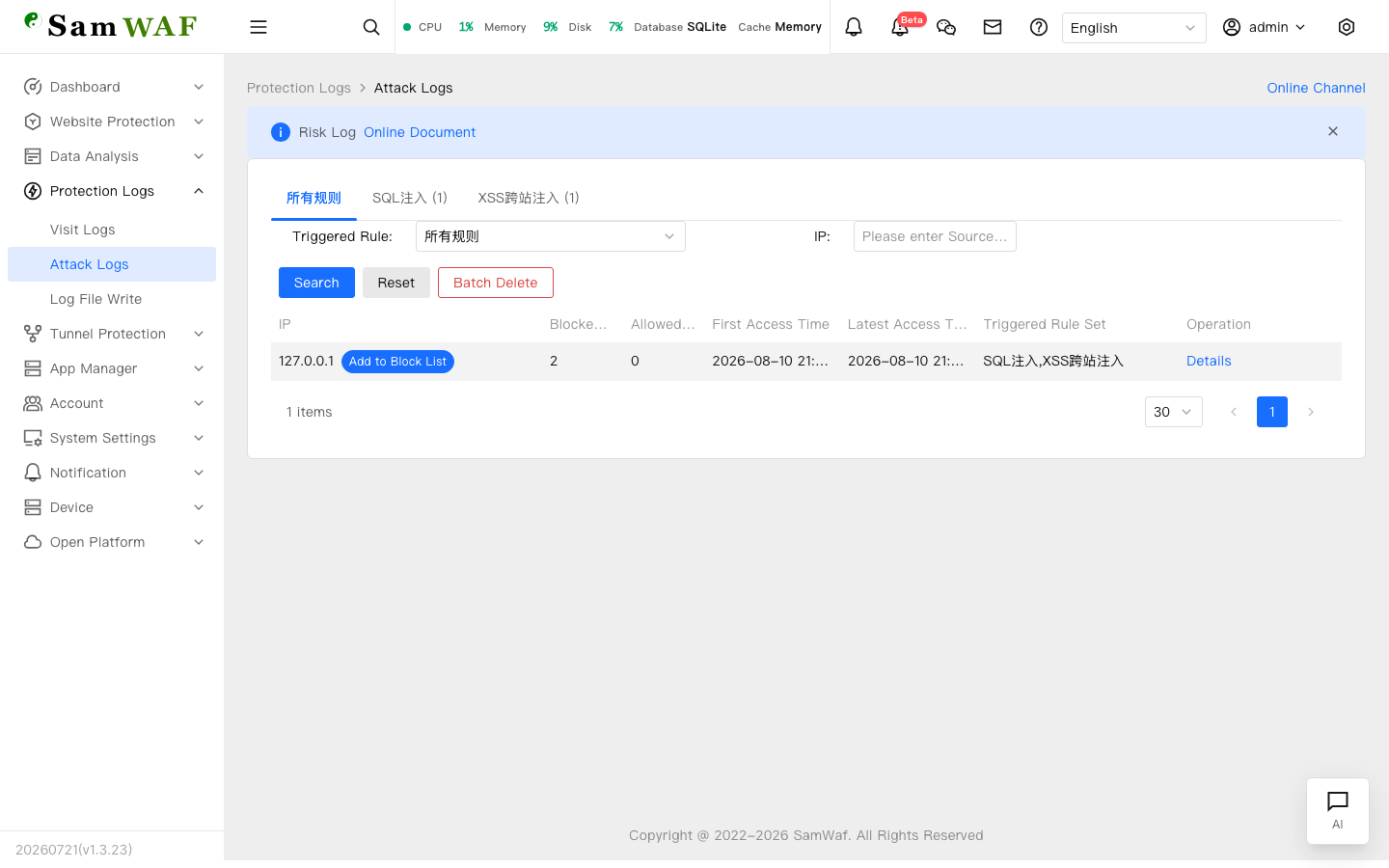
Real screenshots taken while testing this image against its deployment guide.
2FAuth is a free, open source, self hosted web app for managing your two factor authentication accounts.
The image installs acme-dns 2.0.2 from the official upstream release (github.com/acme-dns/acme-dns, the project formerly...

Mail sent to an alias is forwarded to your real inbox, and you can reply from the alias so the other side never learns w...

AliasVault is an open source, end to end encrypted password manager combined with a private email alias service that you...

This image runs Apache SpamAssassin, the long established open source anti spam platform, fully configured and security ...

Apache Syncope is an open source identity management and identity governance platform.