Base
Hardened build
minimal ports, security patches applied at build time

Sirius Scan, an open source general purpose vulnerability scanner that discovers hosts and services on a network, matches what it finds against a CVE backed vulnerability database and presents the result as a risk dashboard.
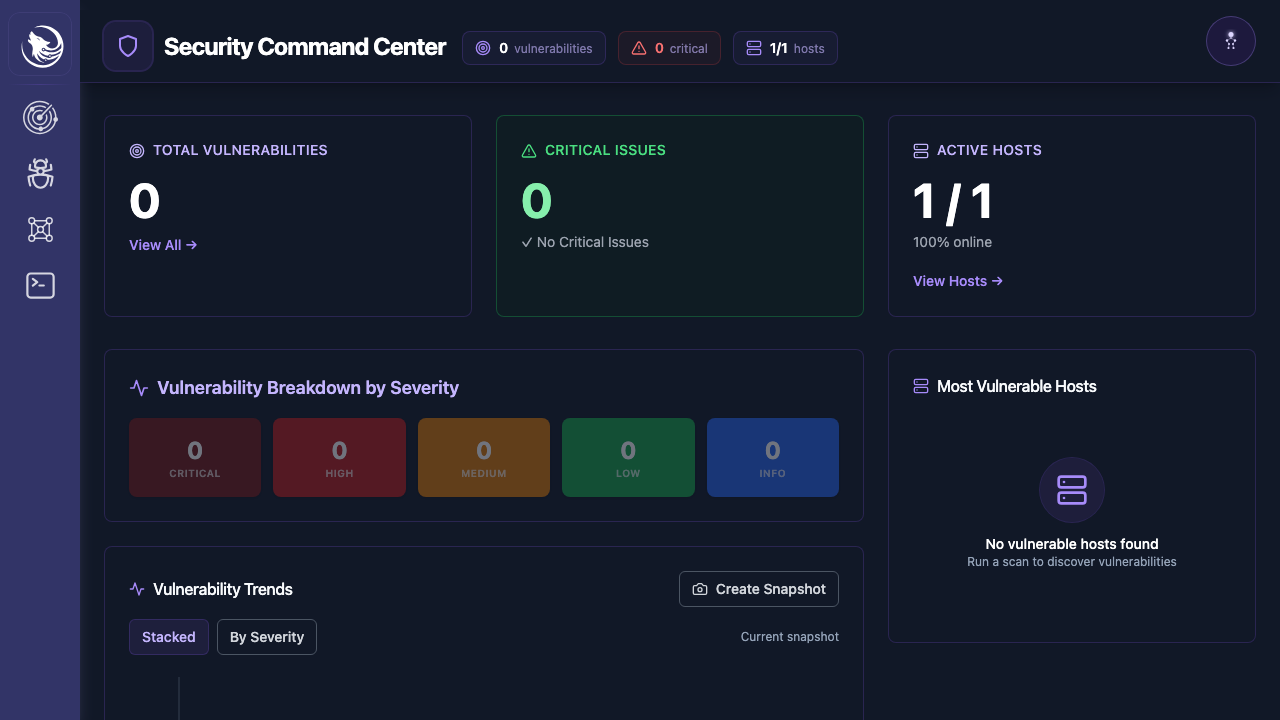
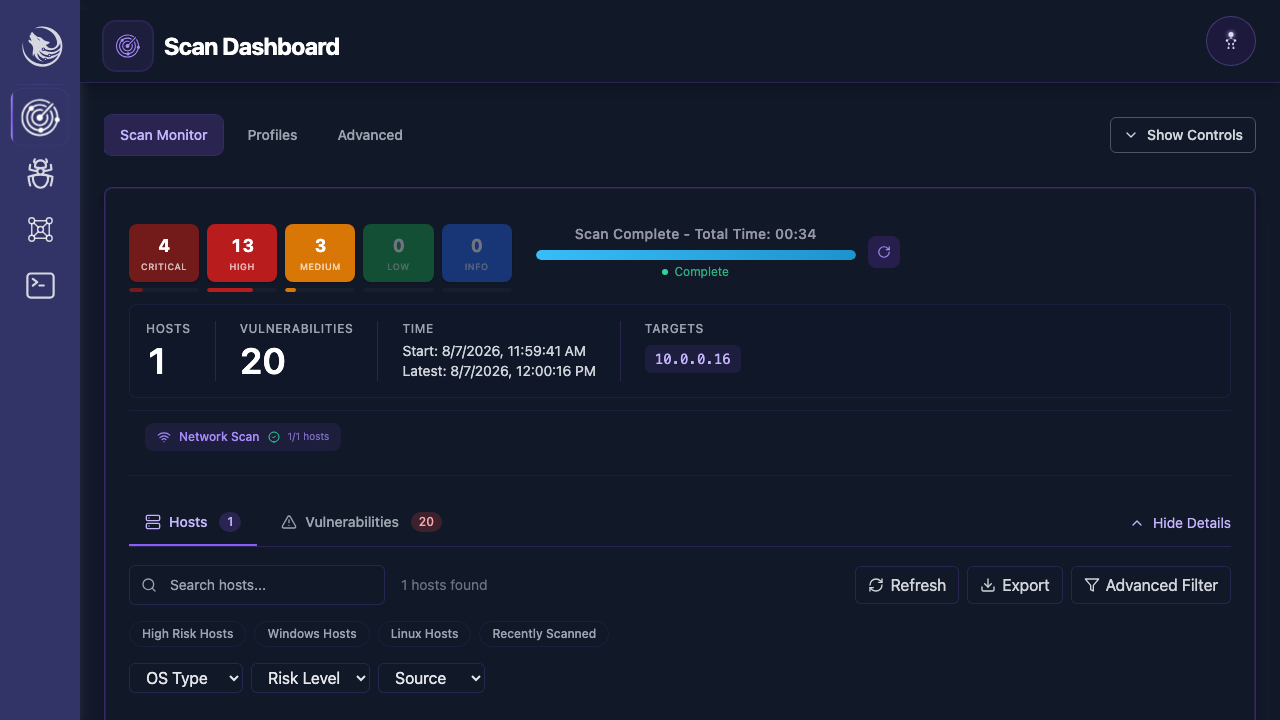
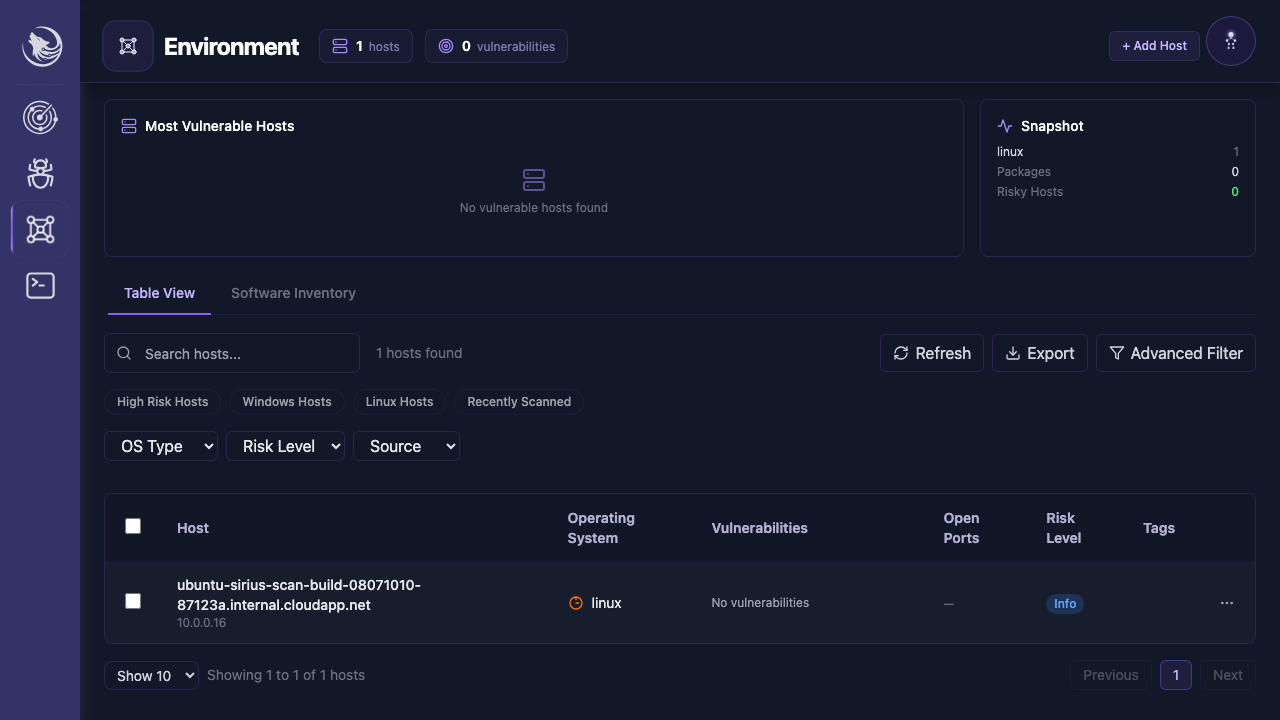
Sirius Scan is an open source vulnerability scanner for general purpose network and host assessment. Point it at a host or an address range and it performs discovery with a bundled network scanner, identifies the operating systems and services it finds, and matches them against a CVE backed vulnerability database with severity scoring. The results arrive as a working risk picture rather than a raw port list: an overview of severity across the estate, a per host inventory of open ports and detected software, and per finding detail with scoring and remediation guidance.
Scans can be launched and reviewed from the web console or driven entirely through a documented REST API, and remote agents can be attached so a single console covers several environments. It suits teams that want continuous, self hosted visibility of what is exposed on their own networks without sending asset data to a third party service.
cloudimg ships the complete Sirius Scan stack as one appliance, the web console, the REST API, the scan engine with its bundled network scanner, and the database, message queue and cache that sit behind them, so scanning is available minutes after launch with nothing to provision. Every component is pinned to an exact published release build, so the image is reproducible and cannot drift onto a moving tag. Security is the reason to take this image rather than assemble it yourself: the upstream project publishes a working sample value for every shared secret in the stack, including a message broker account reachable from any host, and none of them survives into this image. The console administrator password, the database password, the session signing key, the internal service API key and the message broker account are all generated uniquely on first boot into a root only file, and the image ships with an empty database and no administrator. The database, cache, message broker and its management console are bound to the loopback interface and never exposed. The base is fully patched with unattended security upgrades enabled, and every deployment is paired with a step by step deploy guide, backed by 24/7 cloudimg support.
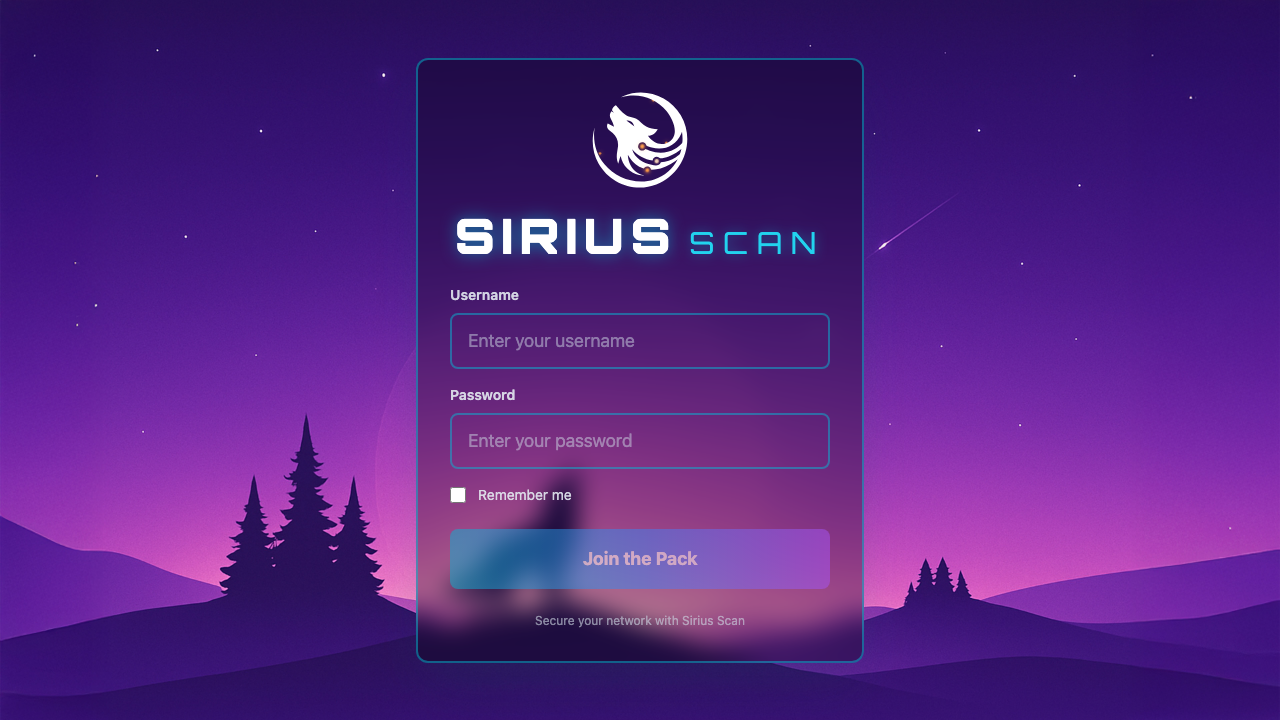
Real screenshots taken while testing this image against its deployment guide.
2FAuth is a free, open source, self hosted web app for managing your two factor authentication accounts.
The image installs acme-dns 2.0.2 from the official upstream release (github.com/acme-dns/acme-dns, the project formerly...

Mail sent to an alias is forwarded to your real inbox, and you can reply from the alias so the other side never learns w...

AliasVault is an open source, end to end encrypted password manager combined with a private email alias service that you...

This image runs Apache SpamAssassin, the long established open source anti spam platform, fully configured and security ...

Apache Syncope is an open source identity management and identity governance platform.