Base
Hardened build
minimal ports, security patches applied at build time

UpSnap, a self hosted wake on lan console that powers the machines on your network on and off from one dashboard or on a schedule.
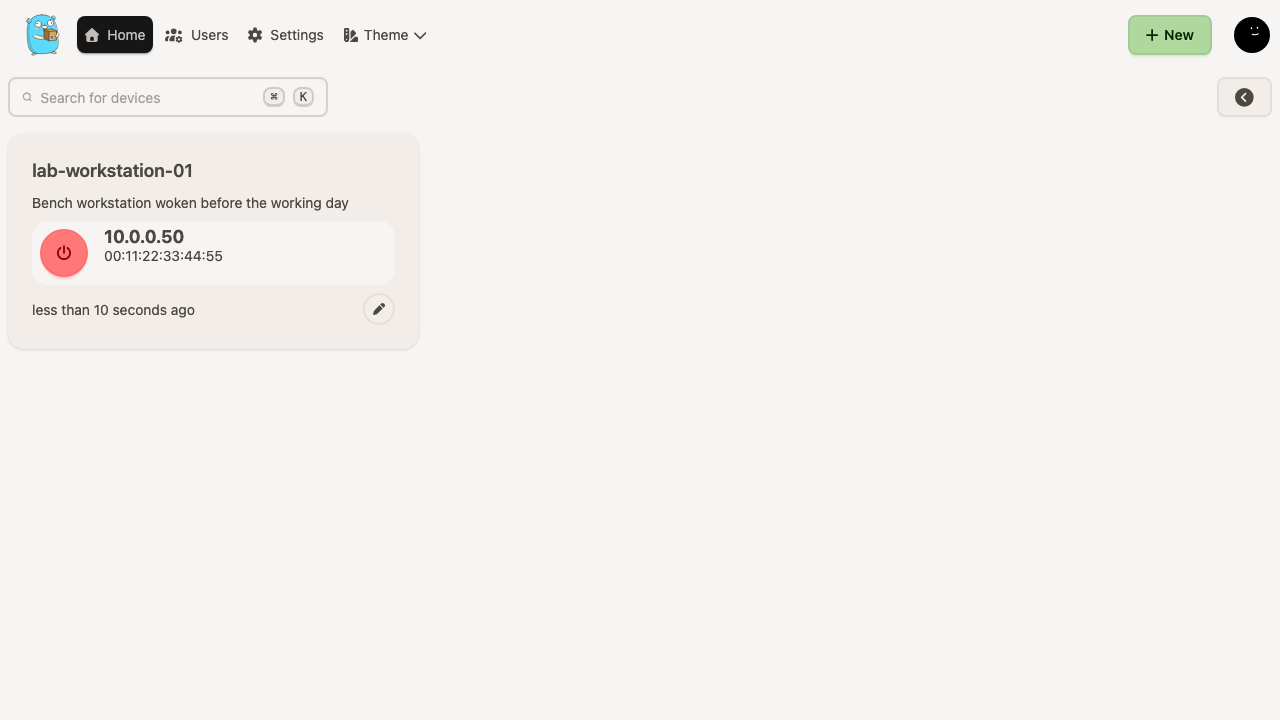
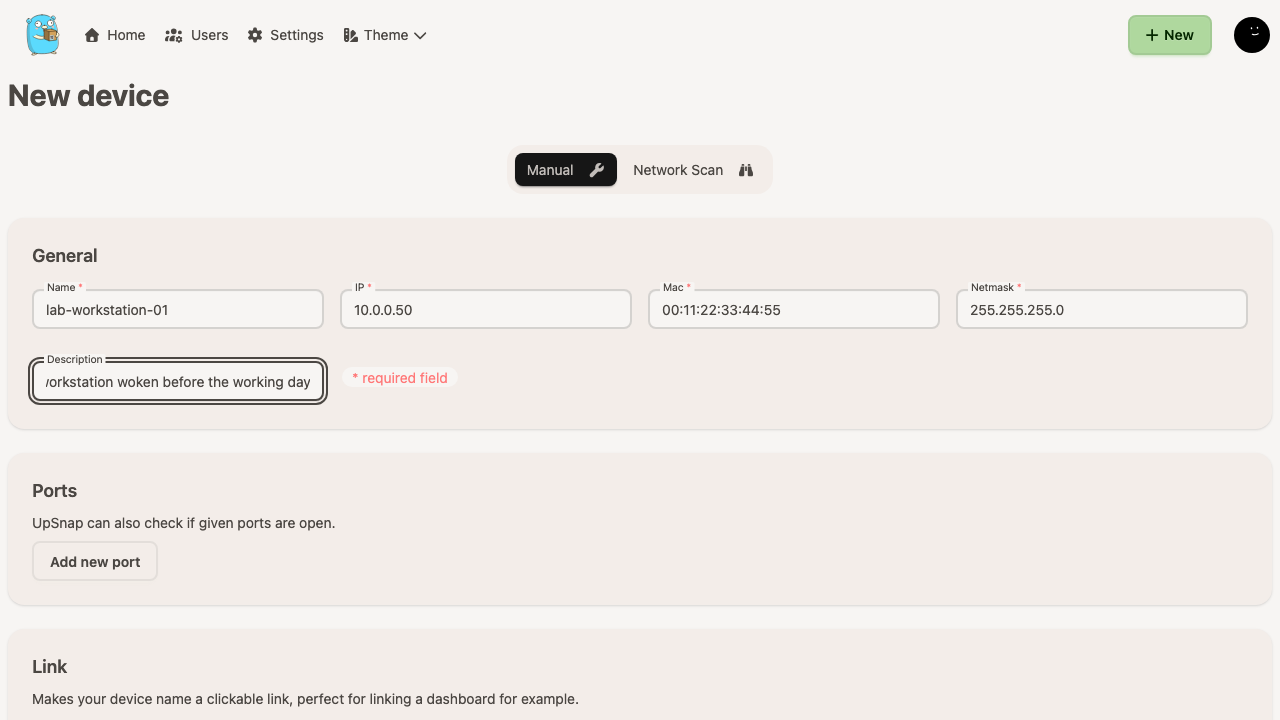
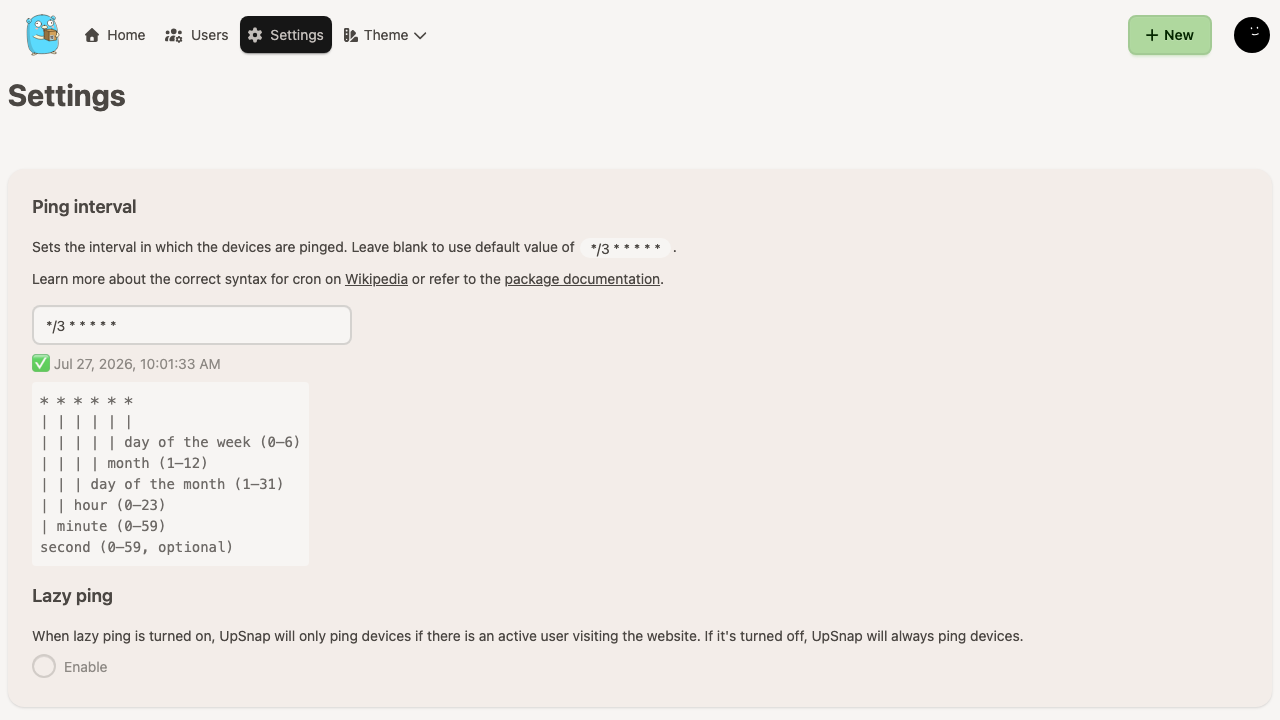
UpSnap is a small, fast web application for powering the machines on your own network on and off. You register a device once with its MAC address, then wake it with a single click, put it to sleep, reboot it, or shut it down with a command you define. A live dashboard pings every registered device so the status you see is current, and cron style schedules turn the whole thing into unattended automation: a lab that powers itself on before the working day and shuts itself down after it. Wake on lan is built into virtually every business class network adapter, yet it goes unused because the magic packet has to originate on the same broadcast domain as the target machine. UpSnap closes that gap: one small always on host inside your network that holds the device list and sends the packets, with a browser interface and a per user permission model so you can hand someone the power button for one machine without giving them the rest of the estate. Optional discovery over a range you supply finds devices for you instead of typing MAC addresses by hand.
A device power manager is a powerful thing to put on a network, and the upstream project is explicit that it should not be published to the open internet, because the shutdown feature runs a shell command you define. The cloudimg image is built to match that advice rather than leave it to you. The application is bound to the loopback address only and is never published on a public interface; the sole way in is a TLS proxy, and the only unauthenticated route is a health probe for load balancers. The service runs as a dedicated account that is not root, holding exactly one Linux capability, so a shutdown command can never become a root shell. The administrator password is generated on the first boot of your own instance and written to a root only file, and the database and its token signing keys are created there too, so no secret is shared between deployments. Nothing is preloaded: no device, no scan range, no command and no schedule, so the instance touches no machine on your network until you configure it. Devices, schedules and permissions live on their own resizable data volume, and every deployment ships fully patched with a paired deploy guide and 24/7 cloudimg support.
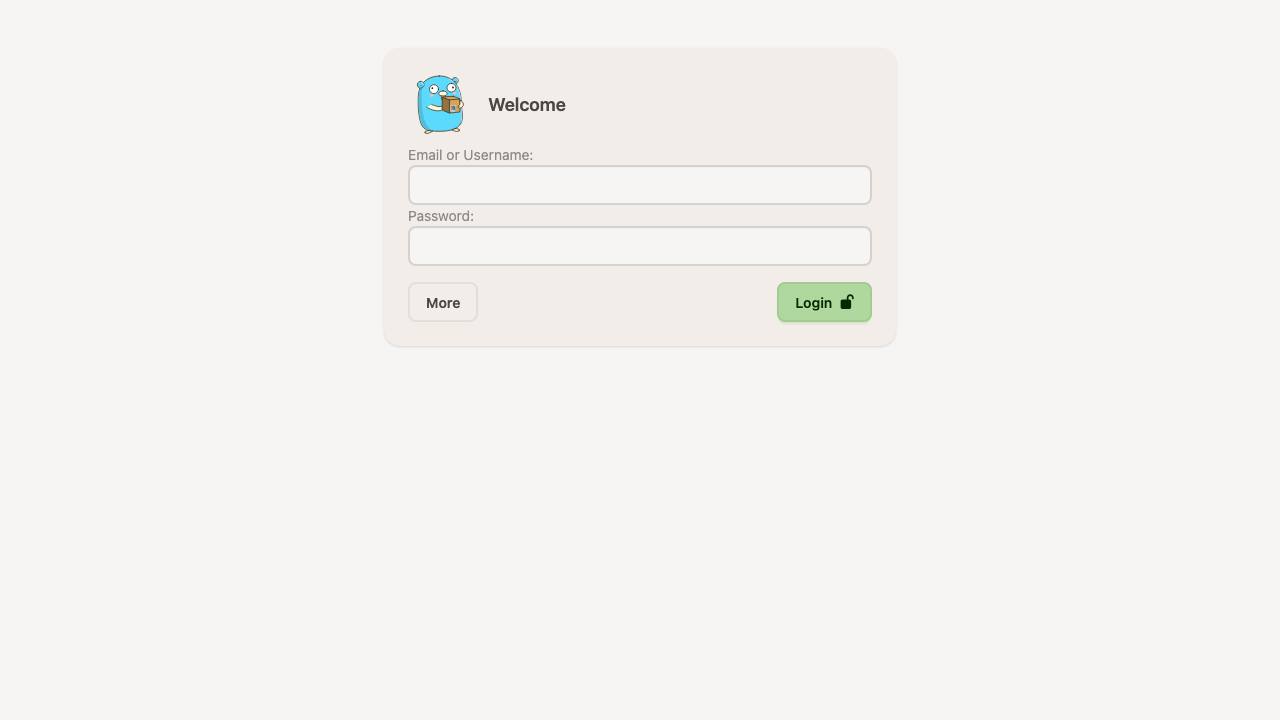
Real screenshots taken while testing this image against its deployment guide.

What cloudimg adds to every version - Every image is built by cloudimg on a fully patched base with the latest security ...

What cloudimg adds to every version - Every image is built by cloudimg on a fully patched base with the latest security ...

What cloudimg adds to every version - Every image is built by cloudimg on a fully patched base with the latest security ...

What cloudimg adds to every version - Every image is built by cloudimg on a fully patched base with the latest security ...
The image builds 3proxy 0.9.7 from the pinned upstream source (github.com/z3APA3A/3proxy tag 0.9.7), so the exact versio...
The image builds accel-ppp 1.14.0 from the upstream source tag (commit 048d31cb, dated 25 January 2026), verified agains...