Base
Hardened build
minimal ports, security patches applied at build time

Wiredoor, self hosted ingress as a service: publish services from private networks to the internet over WireGuard tunnels, no inbound firewall rule required.
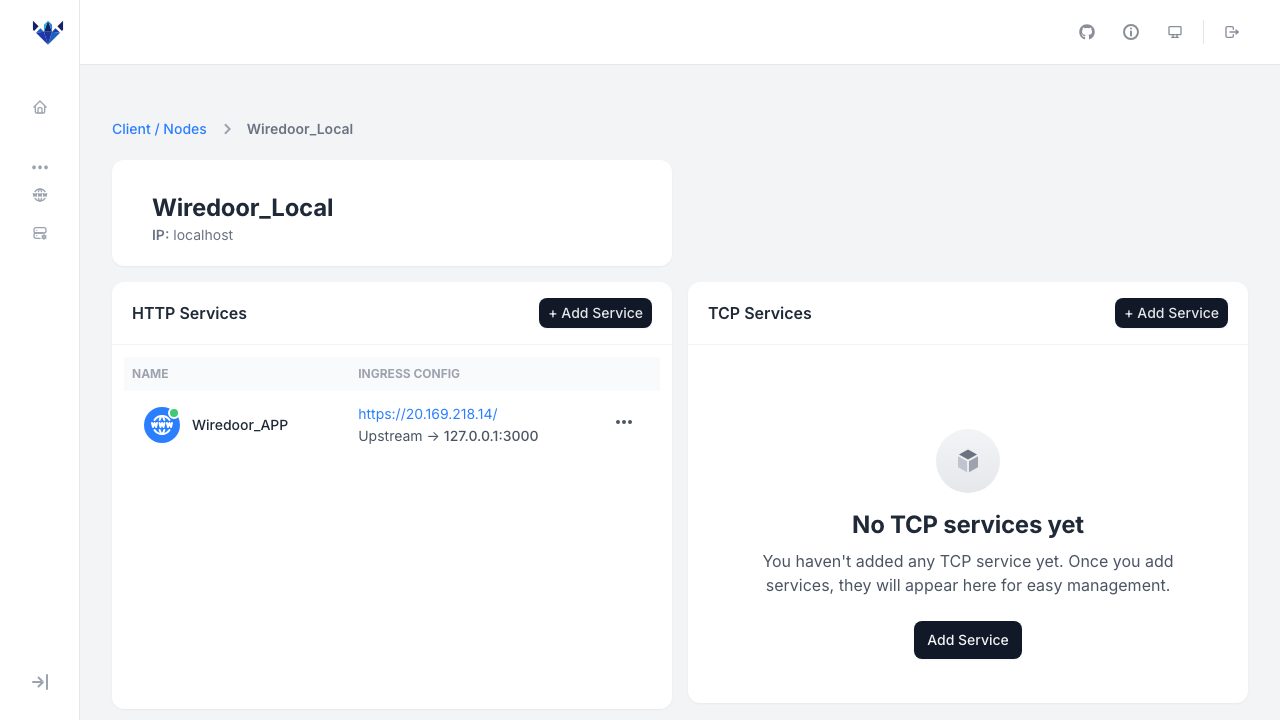
Wiredoor is an open source ingress as a service platform. It solves the problem of reaching a service that has no public address, an application on a home lab, a machine behind carrier grade NAT, a Kubernetes cluster with no load balancer, an IoT gateway on a customer site. A lightweight client on the private machine dials outbound to the Wiredoor server over an encrypted WireGuard tunnel, and Wiredoor's built in reverse proxy then publishes that service on a public domain or path with TLS, access control by IP range, optional OAuth2 protection and access logs.
Because the tunnel is established outbound, nothing inbound is ever opened on the private network, and both HTTP services and raw TCP services can be exposed through the same server.
The cloudimg image runs the upstream release as its official container stack pinned by digest, so the version never drifts under you. It ships genuinely closed: the image contains no configuration file, no container and an empty data volume, so no WireGuard server key, no token signing secret, no TLS key and no administrator credential exist in it at all. Every one of those is minted on the first boot of your own instance and the administrator password is written to a root only file, and the externally reachable service is held behind a bootstrap gate until that has happened, so nothing answers a request before the instance has its own secrets. WireGuard module loading and IP forwarding are made persistent so tunnels survive a reboot, and a bundled checker proves the generated credential authenticates while anonymous and forged requests are refused. Paired with a tested deploy guide and backed by 24/7 cloudimg support.
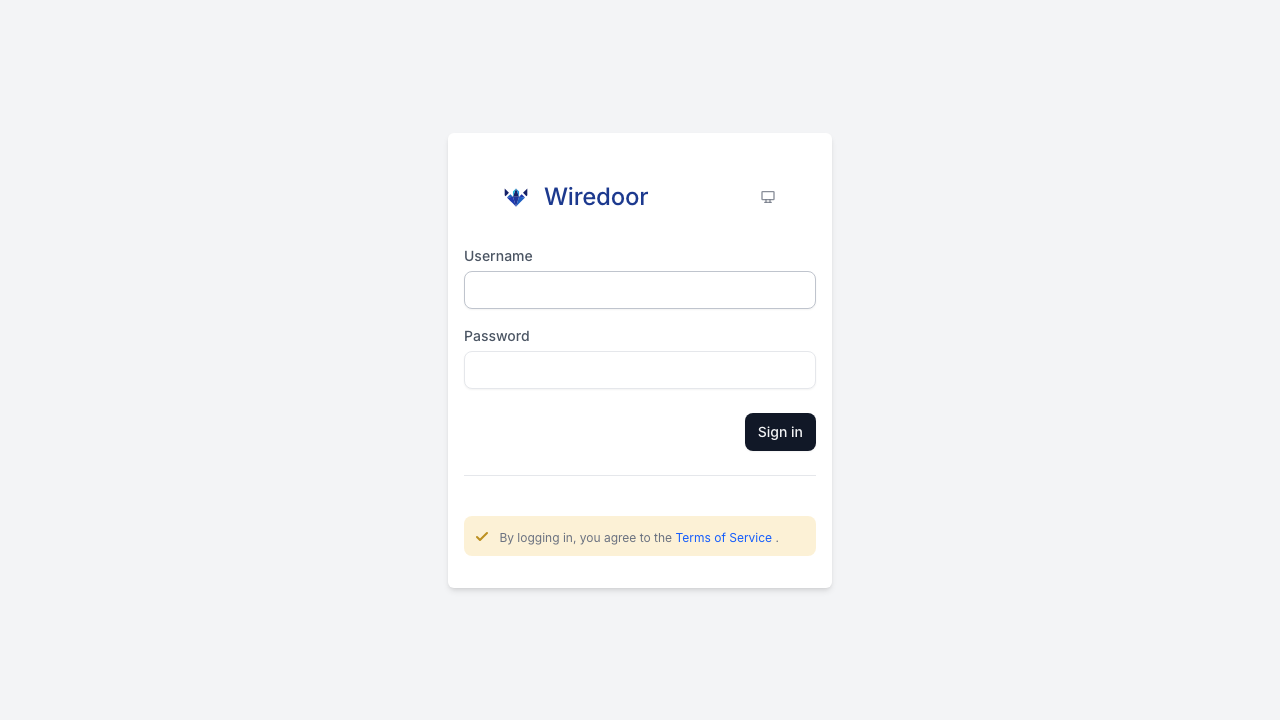
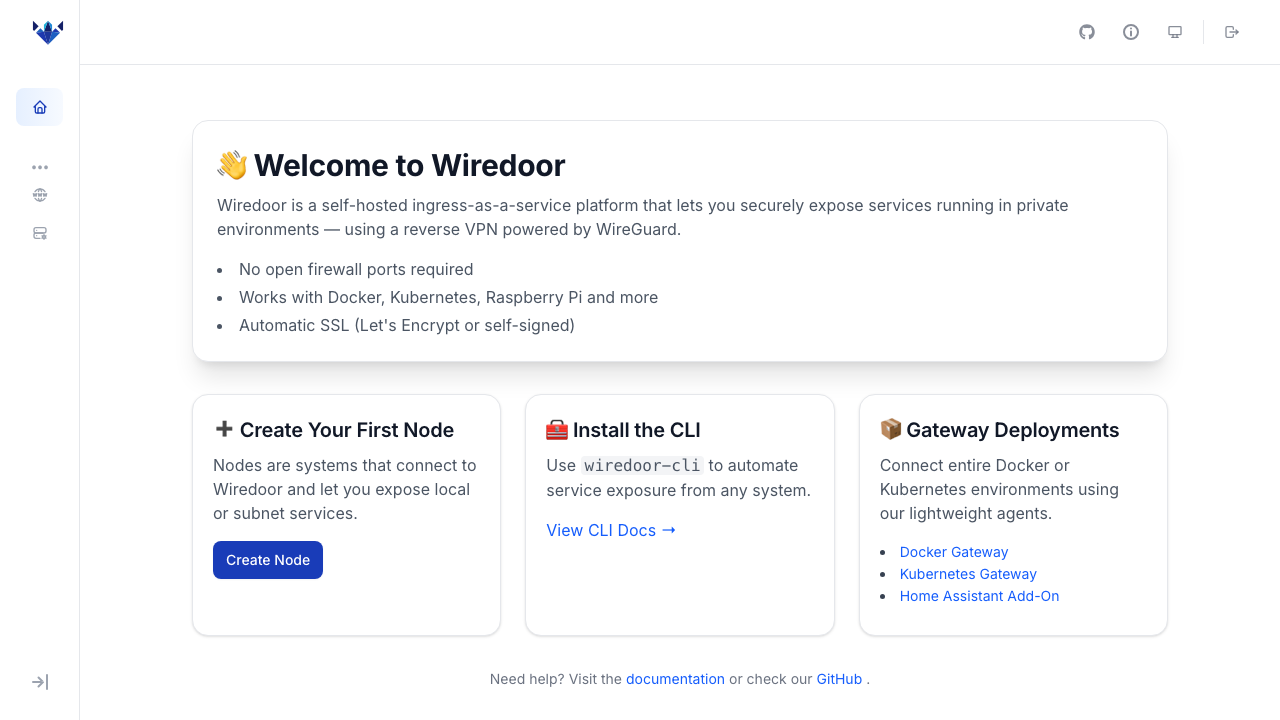
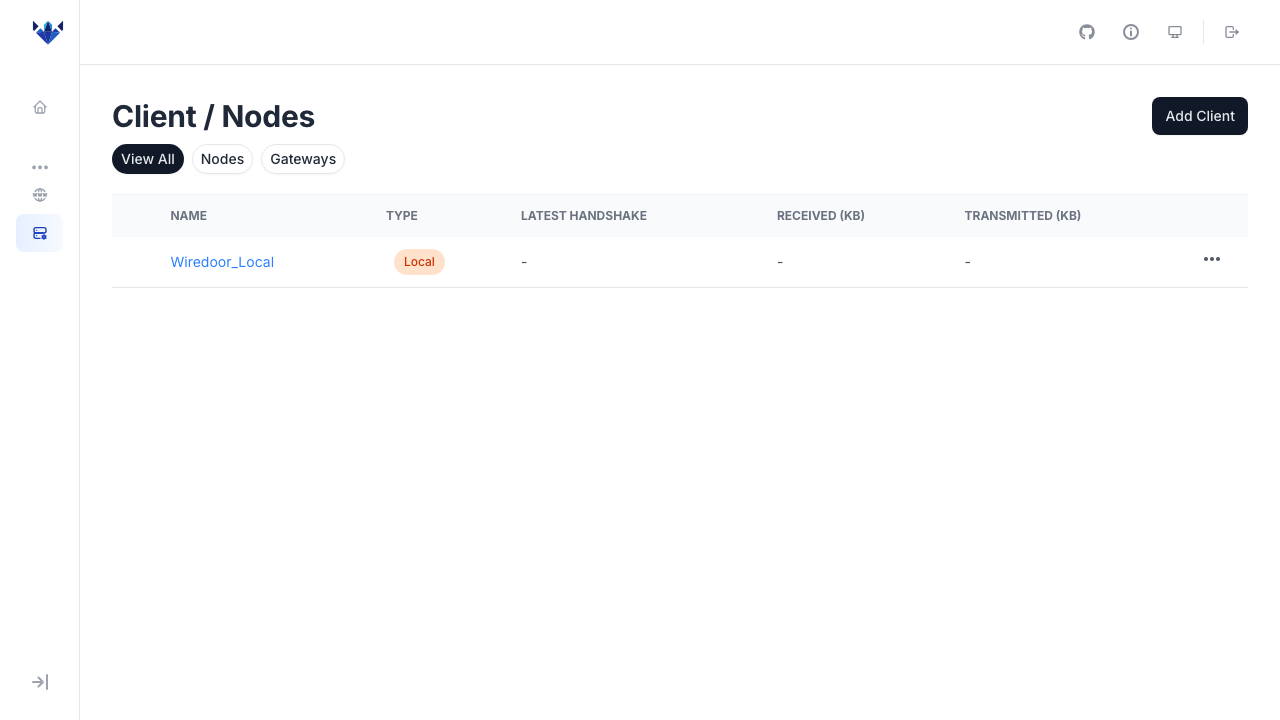
Real screenshots taken while testing this image against its deployment guide.

What cloudimg adds to every version - Every image is built by cloudimg on a fully patched base with the latest security ...

What cloudimg adds to every version - Every image is built by cloudimg on a fully patched base with the latest security ...

What cloudimg adds to every version - Every image is built by cloudimg on a fully patched base with the latest security ...

What cloudimg adds to every version - Every image is built by cloudimg on a fully patched base with the latest security ...
The image builds 3proxy 0.9.7 from the pinned upstream source (github.com/z3APA3A/3proxy tag 0.9.7), so the exact versio...
The image builds accel-ppp 1.14.0 from the upstream source tag (commit 048d31cb, dated 25 January 2026), verified agains...