Base
Hardened build
minimal ports, security patches applied at build time

OpenWISP Controller, the open source network device configuration management platform: define reusable templates, apply them to routers and access points, and let the controller compile each device its exact configuration.
OpenWISP Controller is the flagship module of OpenWISP, the open source network management system. It is a centralised, multi tenant platform for provisioning and managing the configuration of network devices such as routers and wireless access points. You define reusable configuration templates, apply them to devices with automatic per device variable substitution, and the controller compiles and serves each device its exact configuration. It also provides an integrated x509 certificate authority and certificate management, VPN provisioning for OpenVPN, WireGuard, ZeroTier and VXLAN over WireGuard, device connection and credential management, automatic subnet division and IP address management, and a complete REST API for automation.
It suits internet service providers, wireless network operators, community networks and platform teams who manage fleets of routers and access points and want a self hosted controller that keeps every device's configuration consistent, versioned and centrally managed, on infrastructure they own and control.
cloudimg delivers OpenWISP Controller fully installed and configured behind an nginx reverse proxy, with the gunicorn application server, a Celery worker and scheduler, PostgreSQL with the PostGIS spatial extension and Redis already running, so a working controller answers the moment the instance boots, with no Django, Celery, database or web server assembly to do by hand. The image is secure by default: no administrator and no shared secret ship in it, and on the first boot of every instance a fresh Django secret key is generated, the database is initialised empty, and a unique administrator plus a REST API token are created and written to a file only the root user can read, so no two deployments ever share a login. The application server is bound to the instance only and reached through the reverse proxy, the system is given swap headroom so the full stack runs comfortably on a small instance, the base is fully patched with unattended security upgrades enabled, and every deployment is paired with a step by step deploy guide and backed by 24/7 support.
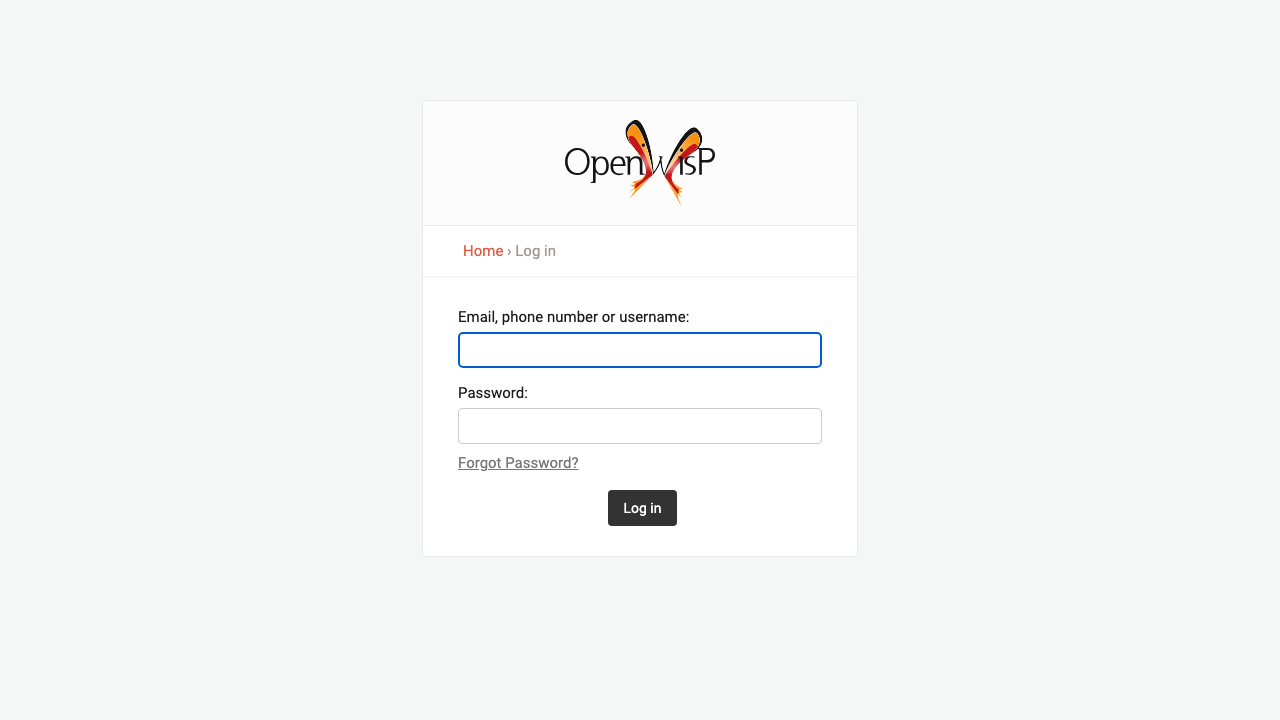
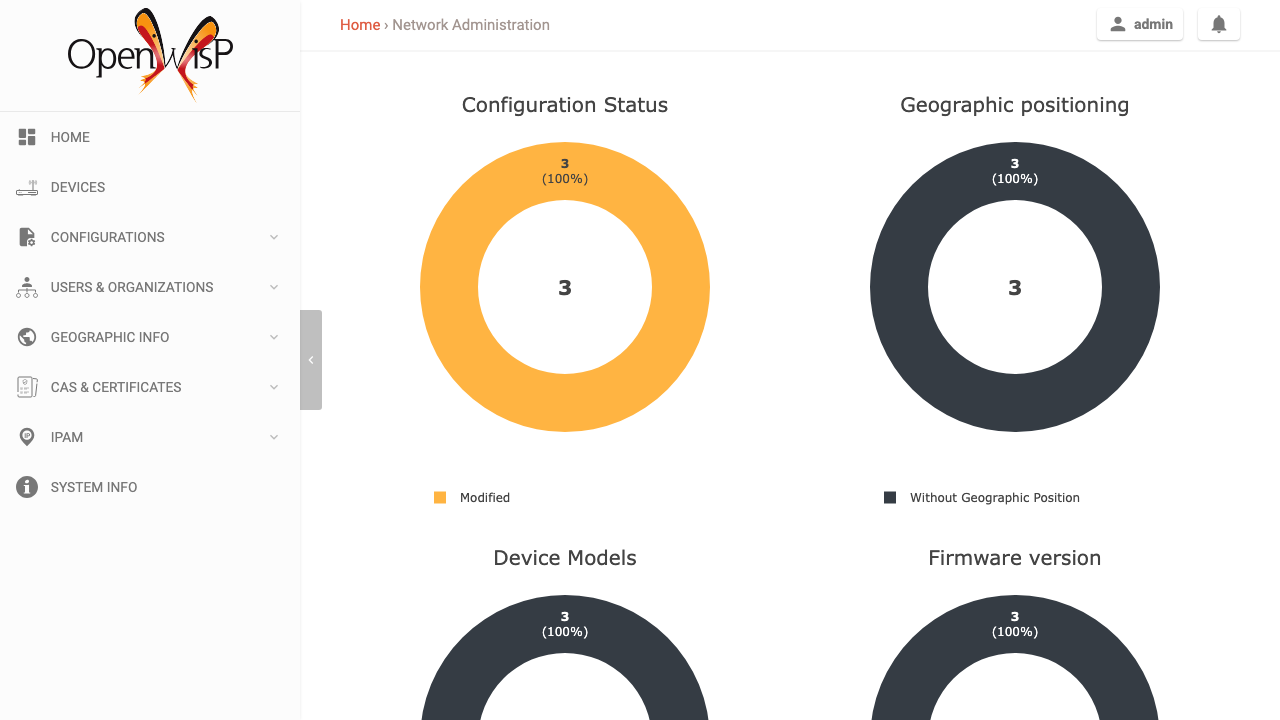
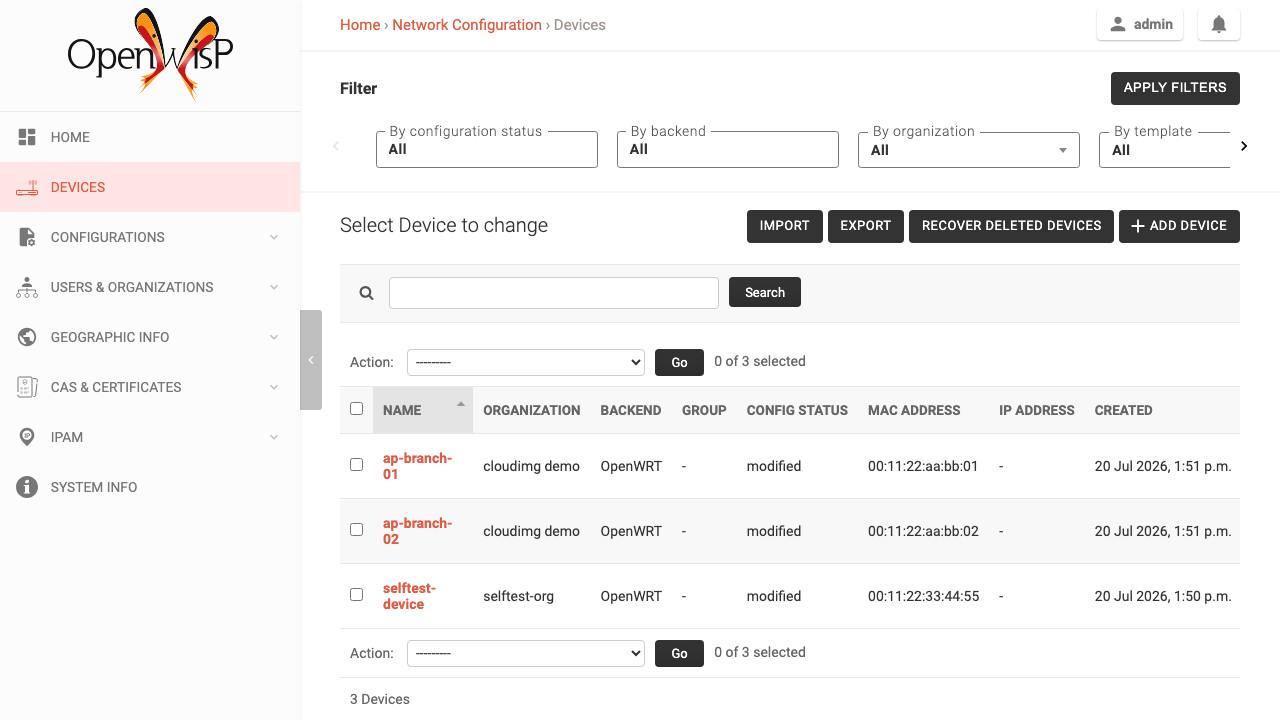
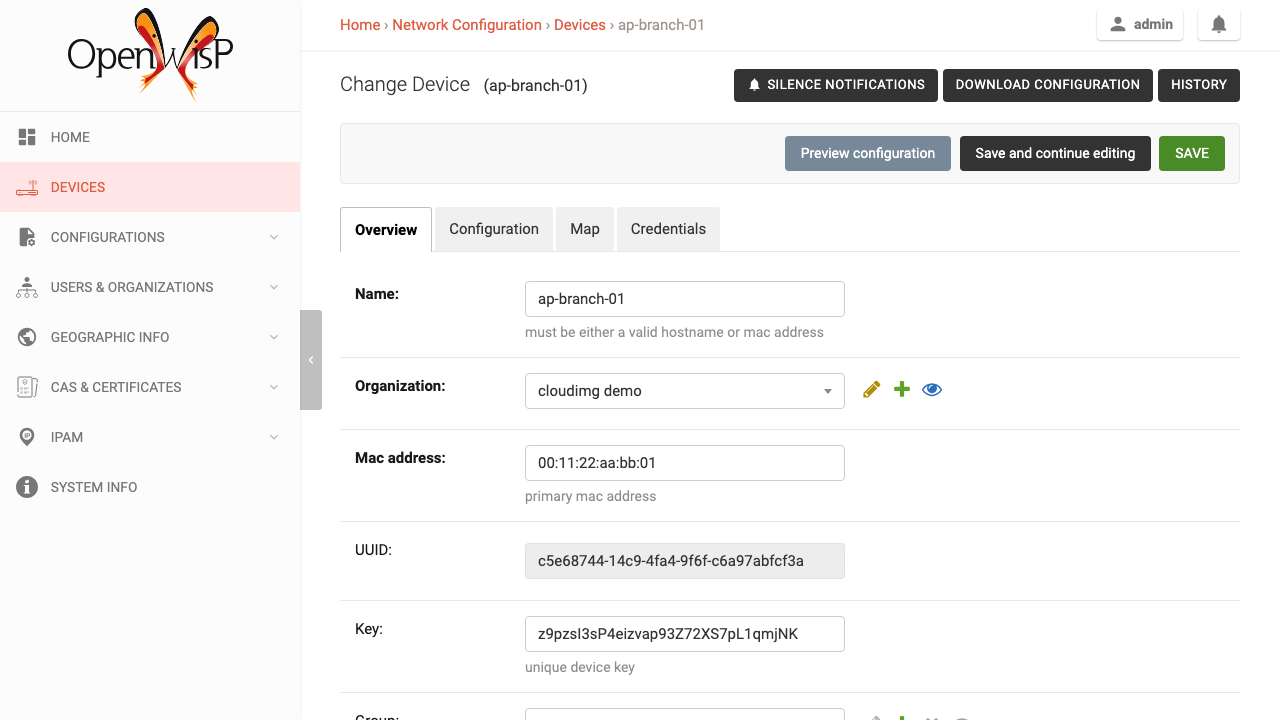
Real screenshots taken while testing this image against its deployment guide.
The image builds 3proxy 0.9.7 from the pinned upstream source (github.com/z3APA3A/3proxy tag 0.9.7), so the exact versio...
3X-UI is a web based management panel for Xray-core, the proxy platform behind protocols such as VLESS, VMess, Trojan an...
The image builds accel-ppp 1.14.0 from the upstream source tag (commit 048d31cb, dated 25 January 2026), verified agains...

AdGuard Home is a network wide DNS server that blocks ads, trackers and malicious domains for every device that points i...

AdGuard Home is a network wide DNS server that blocks ads, trackers and malicious domains for every device that points i...

This image runs Akvorado 2.4.1, the open source network flow collector, enricher and visualizer, on Ubuntu 24.04 LTS.