Base
Hardened build
minimal ports, security patches applied at build time

Operaton, an open source BPMN workflow and DMN decision automation engine, ready on first boot.
Operaton is an open source, community driven workflow and decision automation engine (the continuation of Camunda 7). It executes BPMN 2.0 processes and DMN decision tables through a persistent process engine and ships the Cockpit, Tasklist and Admin web apps plus a full REST API. Teams use it to model, run and monitor business processes and automated decisions across their applications.
cloudimg ships Operaton hardened and fully patched, with a bundled PostgreSQL for durable state and a unique admin password generated on first boot. The web apps and the REST API are locked down from the start (no default demo account, authentication required everywhere), and the image is supported 24/7.
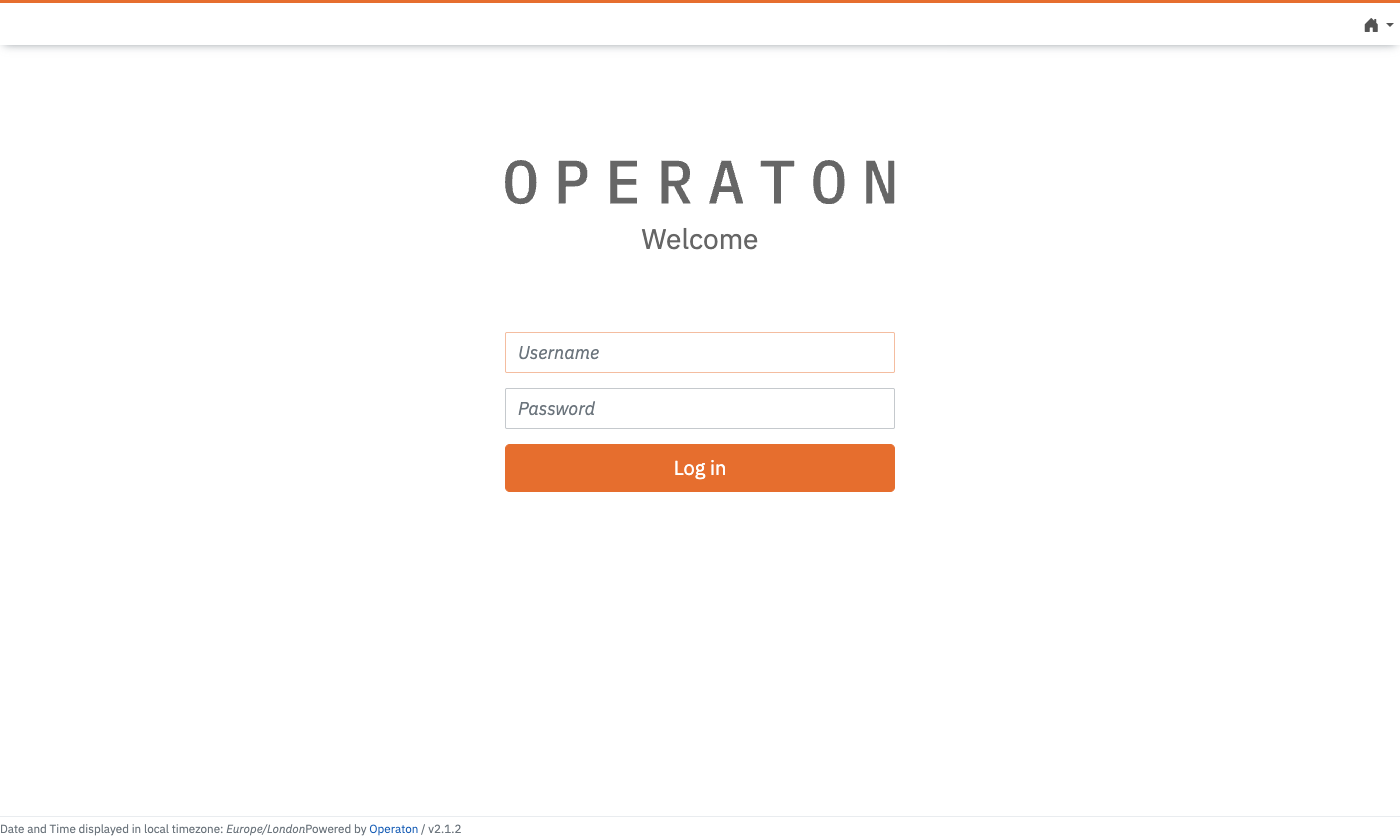
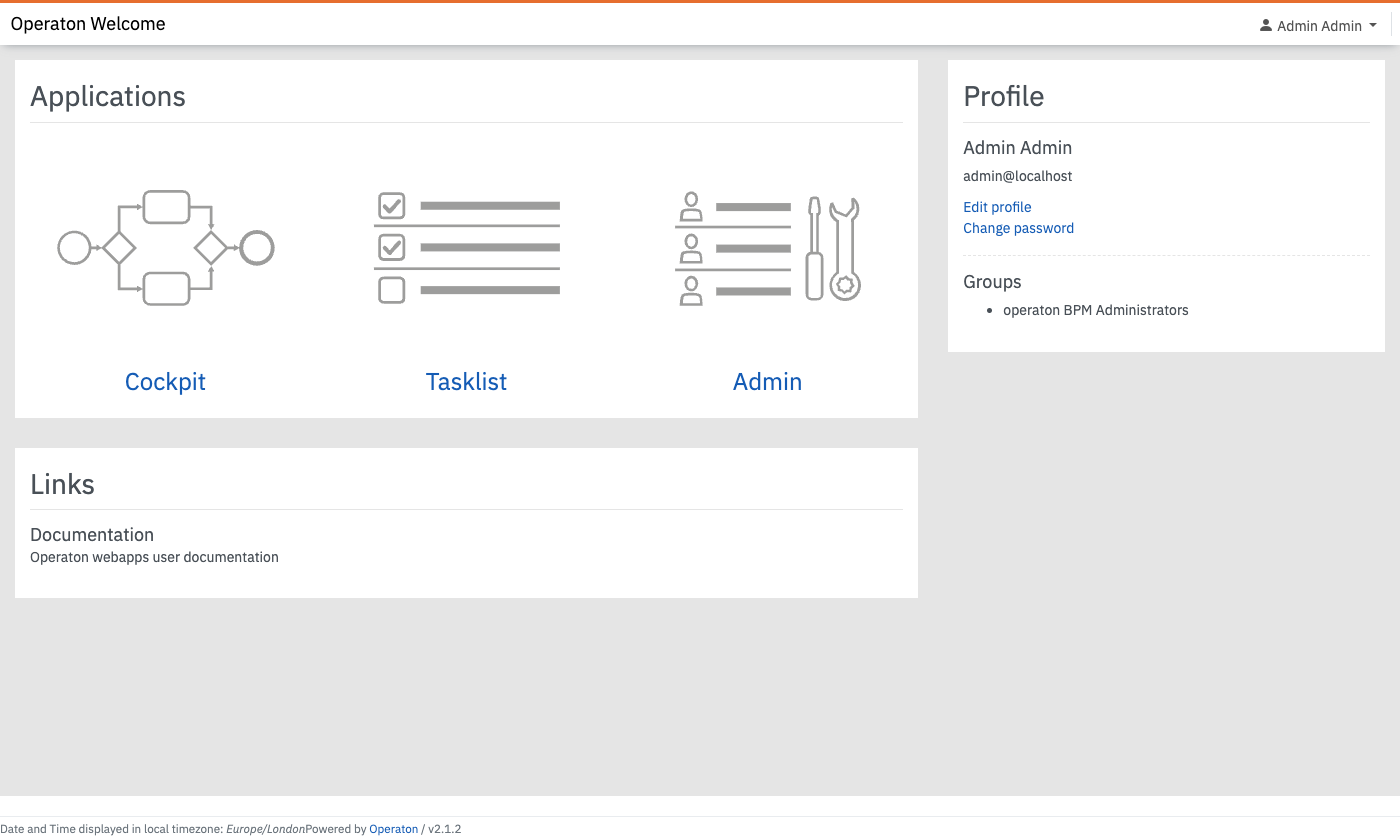
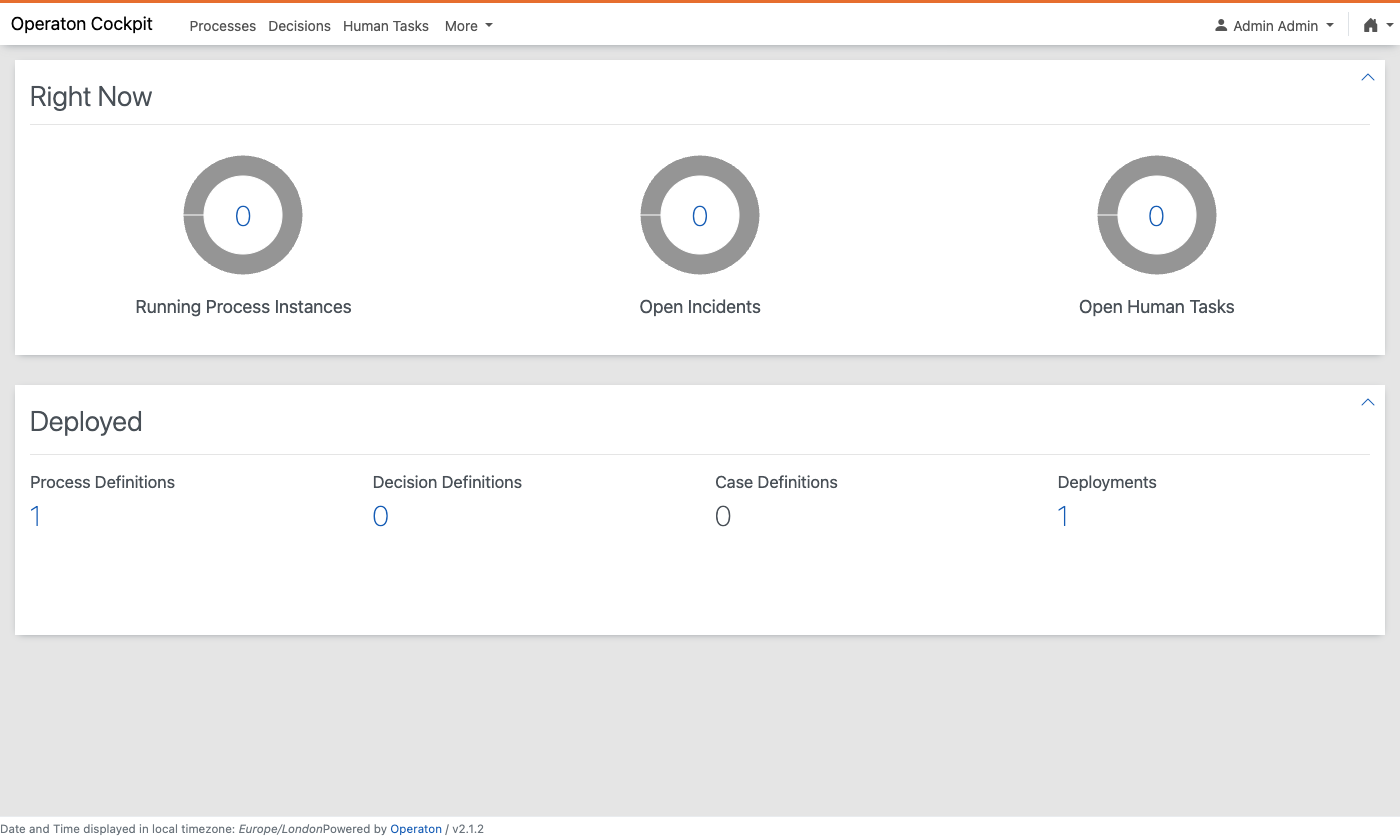
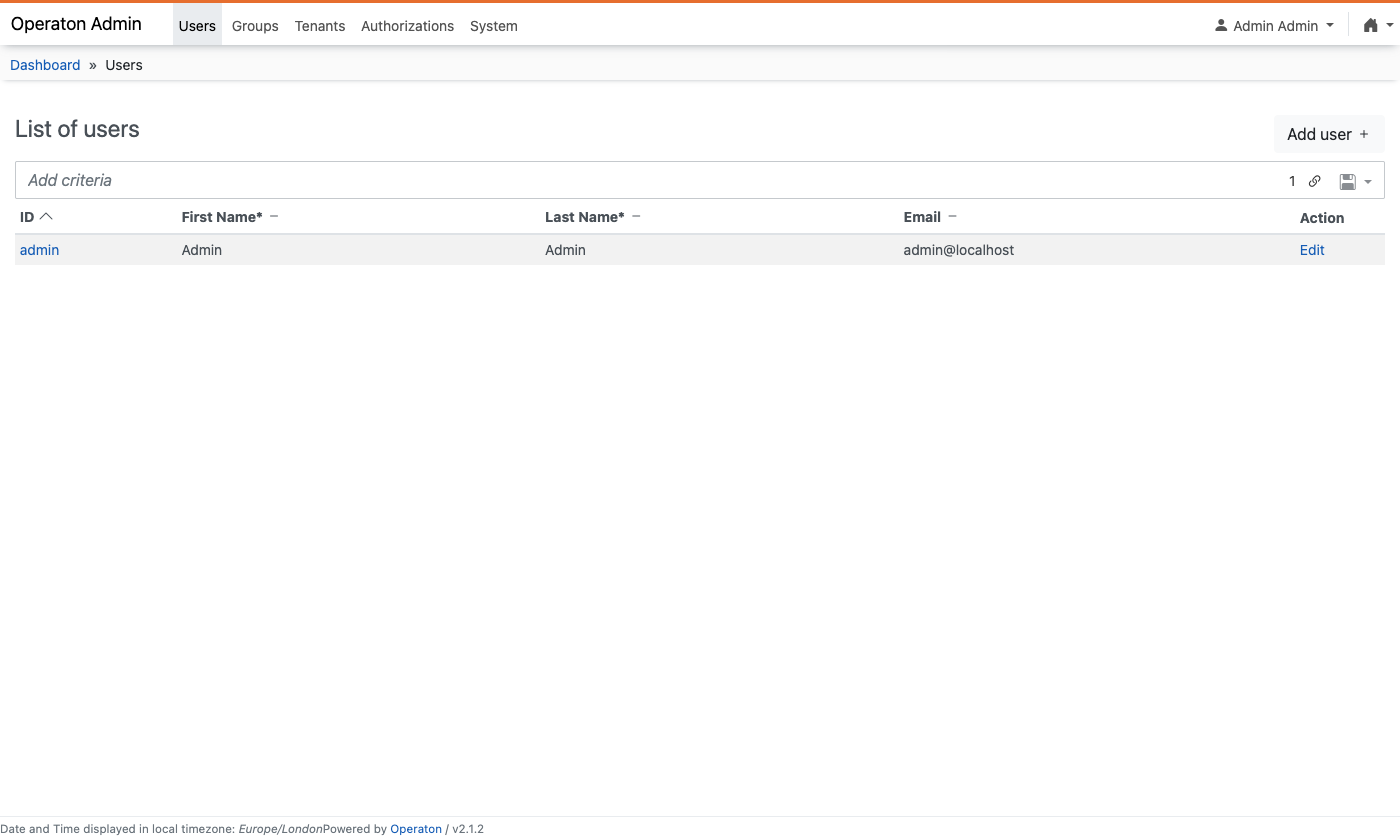
Real screenshots taken while testing this image against its deployment guide.
This is a repackaged open source software product wherein additional charges apply for cloudimg support services.
## Why This AMI Instead of Self-Deploying?
Operaton is the open-source, community-driven continuation of Camunda 7 - a mature BPMN 2.0 workflow and DMN decision automation engine with the Cockpit, Tasklist and Admin web applications and a full REST API. Deploying it yourself means installing Docker, wiring up the engine against a durable database, fronting it behind a reverse proxy, disabling built-in demo accounts and example applications, turning on REST authentication and resource authorizations, and generating and storing secrets. This AMI eliminates that effort entirely - your process engine is running within minutes of launch, not hours. You get a pre-hardened, tested configuration backed by 24/7 expert support with a one-hour average response for critical issues, something community forums cannot provide.
The current release available is Operaton 2.1.2.
## Application Stack
The official upstream Operaton Run distribution and a bundled PostgreSQL database, both pinned by digest, run under one systemd service via Docker Compose on a private network. The engine is published to the loopback address only and PostgreSQL is not exposed to any host port; a host nginx reverse proxy fronts the engine on port 80 so the web applications and the REST API are reached through one URL. State is held in PostgreSQL, so your process instances, decisions and history survive restarts - unlike the default embedded in-memory database.
## Secure By Default
Operaton, like Camunda 7, ships a default demo/demo administrator and an example application that seeds further demo users and data. This image removes all of that:
## Ready To Use
Browse to the instance on port 80, sign in to the web applications with the generated administrator credentials, and deploy your first BPMN process or DMN decision table. Model processes in Cockpit, complete human tasks in Tasklist, and manage users and authorizations in Admin. Automate business processes and decisions through the REST API from your own applications.
## Real-World Use Cases
## What You Avoid By Using This AMI
## cloudimg Support
24/7 technical support by email and chat with a one-hour average response for critical issues. Our engineers help with deployment, TLS termination, database backups, user management, external database configuration, Camunda 7 to Operaton migration and scaling. Contact our team at support@cloudimg.co.uk.
All product and company names are trademarks or registered trademarks of their respective holders. Use of them does not imply any affiliation with or endorsement by them.

This image runs 1Panel, the modern open source web control panel that manages a Linux server entirely from the browser.
This image runs Apache APISIX, the high performance, scalable open source cloud native API gateway built on NGINX and et...
Apache ZooKeeper is a high performance coordination service for distributed applications.

Appwrite is an open source backend as a service platform, a self-hosted Firebase alternative that gives developers a com...

This image runs Authelia, the open source authentication and authorization server that provides single sign-on and multi...

cloudimg's etcd Amazon Machine Image delivers etcd 3.5 fully installed as a single-node deployment with Role-Based Acces...