Base
Hardened build
minimal ports, security patches applied at build time

open source headless e-commerce, built on Symfony
Sylius is an open source, API first e-commerce platform built on the Symfony framework. It gives developers and agencies full control over the storefront, the admin panel and a documented REST API, so you can model a catalogue of products, variants and taxons, run multiple channels, currencies and locales, manage promotions, shipping, payments and the full order lifecycle, and build a custom or headless frontend against the same API. cloudimg ships it preinstalled as a production LEMP application (PHP, MySQL, nginx) so the platform is running within minutes of launch.
cloudimg delivers Sylius on a hardened Ubuntu base with the database and media on a dedicated, independently resizable data volume. On first boot every instance generates its own database password, admin password and Symfony application secret, so sessions and CSRF tokens are cryptographically independent between deployments and no shared or default credentials ship in the image. Each build ships with a paired step by step deploy guide and 24/7 cloudimg support.
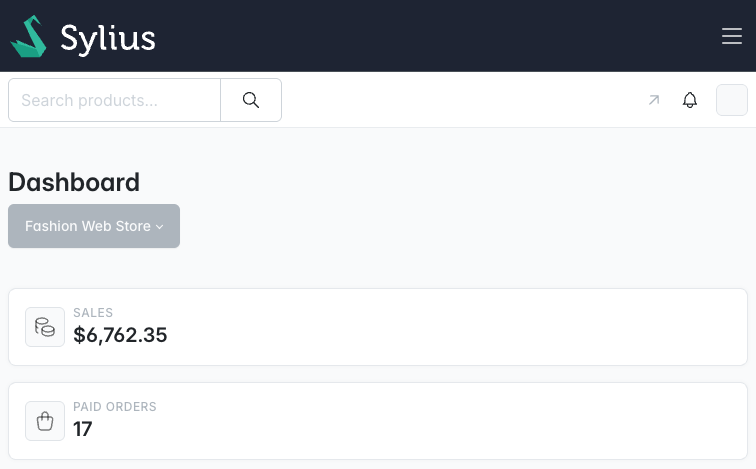
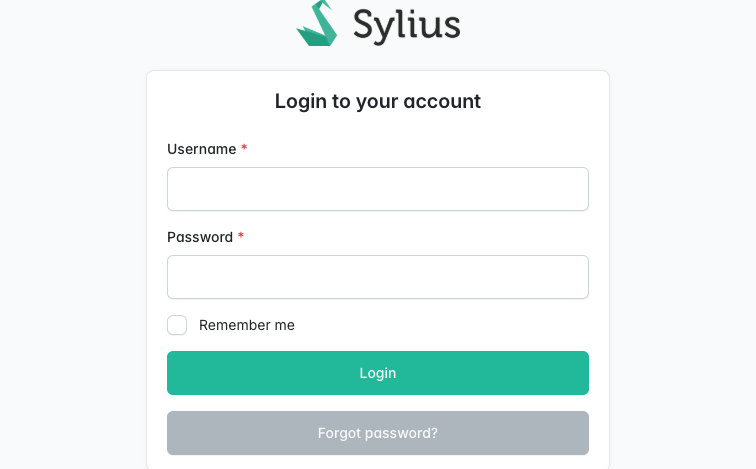
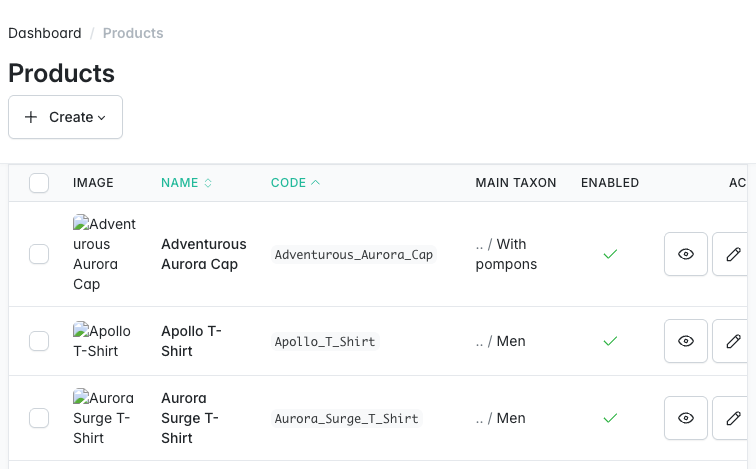
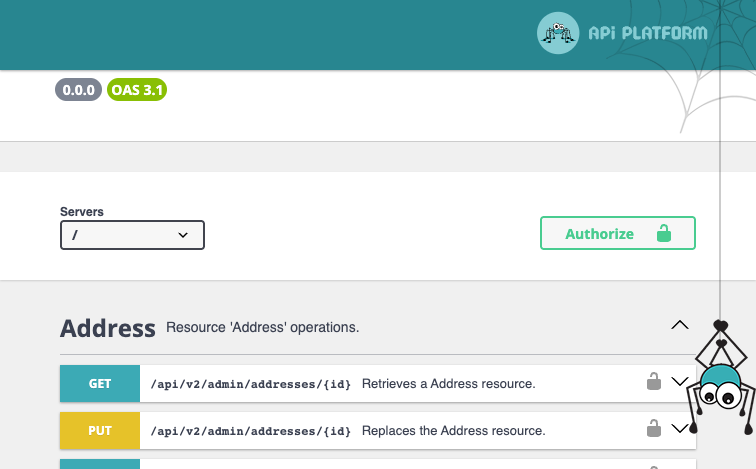
Real screenshots taken while testing this image against its deployment guide.
This is a repackaged open source software product wherein additional charges apply for cloudimg support services.
Overview
Sylius is the open source, API-first e-commerce platform built on the Symfony framework, chosen by developers and agencies who want full control over their store rather than a rigid hosted template. This image delivers Sylius fully installed and configured as a production LEMP application, so the storefront, the admin panel and the REST API are running within minutes of launch.
Application Stack
Sylius running on PHP 8.3 with php-fpm, served by nginx on port 80. A MySQL database stores every product, taxon, order, customer and admin user on a dedicated data disk so it is independently resizable and survives instance replacement, and Sylius' media and uploads live on the same disk. Systemd manages the database, the PHP FastCGI workers and the web server, starting them on boot and restarting them on failure.
Headless E-Commerce Platform
Model your catalogue with products, variants, options, taxons and attributes, run multiple channels, currencies and locales, configure promotions, coupons and shipping and payment methods, and manage orders through their full lifecycle from the admin panel. Because Sylius is API-first, the same catalogue and checkout are exposed over a documented REST API, so you can build a custom storefront, a mobile app or a headless frontend against it. Sylius is a framework as much as a product: extend any behaviour with standard Symfony bundles and services.
Secure First Boot
On the first boot of your instance a one shot service generates a fresh database password, a fresh Symfony application secret and a fresh administrator password, all unique to that instance, recreates a clean database schema and creates the store administrator account. The application secret signs sessions and CSRF tokens, so rotating it per instance keeps every deployment cryptographically independent. The administrator password is written to a file only the root user can read, and no shared or default credentials ship in the image.
Ready To Configure
The storefront is served on port 80 and the admin panel at /admin. Sign in with the generated administrator credentials to build your catalogue, then connect your payment gateways, configure your mail transport and set your shipping and tax rules to take the store live. The image is the platform, ready for you to make it your own store.
cloudimg Support
24/7 technical support by email and chat. Help with deployment, catalogue and channel configuration, the REST API, payment and shipping integrations, mail setup, TLS and custom domains, database tuning and scaling.
Use Cases
B2C and B2B online stores. Headless commerce behind a custom or mobile storefront. Marketplace and multi channel retail. A developer owned, fully customisable alternative to hosted store builders.
All product and company names are trademarks or registered trademarks of their respective holders. Use of them does not imply any affiliation with or endorsement by them.

This image runs the Actual Budget 26.6 sync server, the open source local-first personal finance and envelope budgeting ...

This image runs Admidio, the open source, self hosted membership management platform used by clubs, associations and non...

This image runs Apache Answer, the open source question and answer platform for teams at any scale.

This image delivers Audiobookshelf 2.35, the popular open source self-hosted audiobook and podcast media server, fully i...

This image runs Baby Buddy 2.9.2, the open source self-hosted web application for tracking a baby's daily activities and...

Baikal is an open source self-hosted CalDAV and CardDAV server built on the proven Sabre/dav library.