Base
Hardened build
minimal ports, security patches applied at build time

GoAlert: on call scheduling, alert routing and automated escalations, ready on first boot.
GoAlert is an open source on call scheduling and alerting platform. It routes incidents to the right responder through on call schedules, rotations and escalation policies, and can notify by SMS, voice, email and chat once a delivery provider is configured.
The cloudimg image is hardened and fully patched with GoAlert and its PostgreSQL backend preconfigured and ready on first boot, and a unique admin credential plus a per instance data encryption key are generated on first boot so no default login ships. It comes with a paired deployment guide and 24/7 cloudimg support.
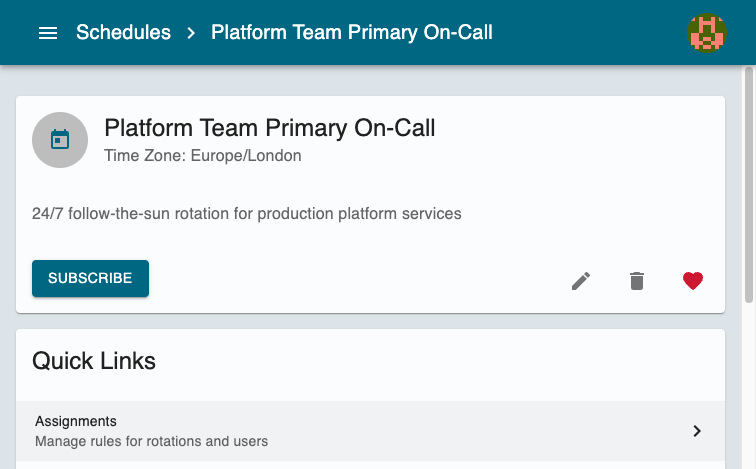
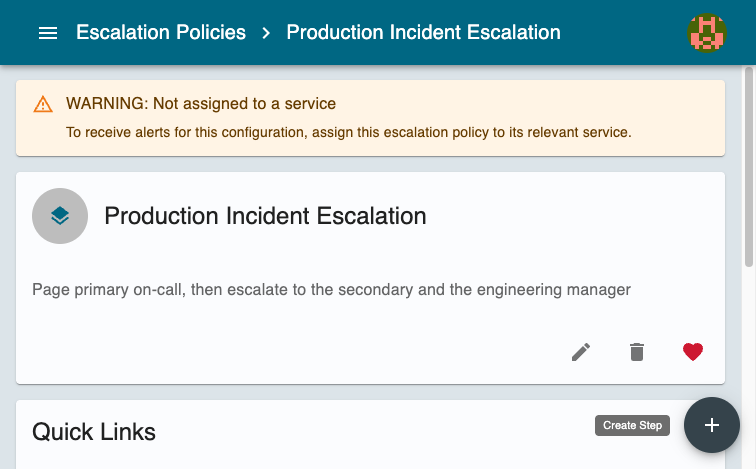
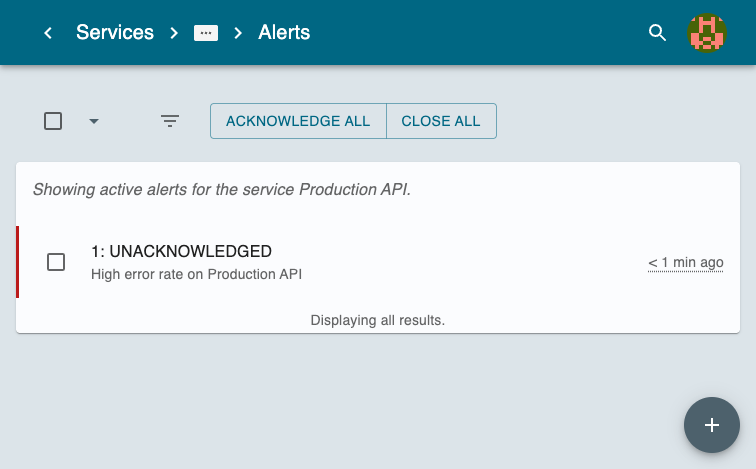
Real screenshots taken while testing this image against its deployment guide.
This is a repackaged open source software product wherein additional charges apply for cloudimg support services.
## Overview
GoAlert is an open source on-call scheduling, escalation and alerting platform maintained by Target. It routes incidents to the right responder through on-call schedules, rotations and escalation policies, so the right person is paged at the right time. This AMI delivers GoAlert fully installed and secured, backed by a local PostgreSQL database, and exposed through a browser-based web interface you run and control in your own AWS account.
## Why This AMI Over SaaS Alternatives
Unlike per-user SaaS on-call tools such as PagerDuty or Opsgenie, this AMI gives you full data residency inside your AWS account with no per-user fees, no vendor lock-in, and no external data transfer. Unlike a manual install that requires binary verification, PostgreSQL provisioning, database migration, systemd unit authoring, reverse-proxy configuration, and credential hardening, this image completes every step at build time. Launch an instance and reach a working, authenticated on-call platform without editing a single configuration file.
## Application Stack
GoAlert is a single self-contained Go binary installed from the official upstream release (sha256 pinned), running as an unprivileged system user under a hardened systemd unit. It is bound to the loopback interface only and fronted by an nginx reverse proxy on port 80. A local PostgreSQL server holds all scheduling and alerting data on a dedicated data volume, independently resizable and separate from the OS disk. systemd starts PostgreSQL, GoAlert and nginx on boot and restarts them on failure.
## Security Hardening
This image follows a defence-in-depth approach:
Buyers requiring formal compliance documentation should contact cloudimg to discuss specific requirements.
## Concrete Use Cases
## AWS Integration
Deploy on any EC2 instance type. Use the unauthenticated health endpoint with an Application Load Balancer for availability monitoring. Back up scheduling and alerting data using EBS snapshots or AWS Backup of the dedicated database volume. Resize the database volume independently as your alert history grows. To deliver alerts by SMS and voice, add your own Twilio account in the GoAlert admin console; email, Slack and webhook notifications are also configured post-launch.
## Getting Started
Read your unique credential from the root-only file, open the web interface in your browser, sign in as the administrator, and create your first on-call schedule, rotation and escalation policy. Configure a notification provider (Twilio for SMS and voice, or SMTP, Slack and webhooks) in the admin console to start delivering alerts.
## Evaluate at Minimal Cost
Launch on a small instance type for a short period to evaluate the full platform in your own environment before committing to production use.
## cloudimg Support
24/7 technical support by email and chat. Help with deployment, reverse-proxy termination with your own domain and certificate, configuring notification providers, integrating monitoring systems, and backup planning for your on-call database.

This image runs Apache HertzBeat, the open source real-time monitoring and alerting system from the Apache Software Foun...

This image runs Apache SkyWalking 10.4, an open-source Application Performance Monitoring (APM) and observability platfo...

This image runs CheckCle, the open source self-hosted uptime and infrastructure monitoring platform.

Checkmate, by BlueWave Labs, is an open source uptime, infrastructure and incident monitoring platform.

This image runs AWStats, the long established open source log file analyser, behind the Apache web server with mod_cgid ...

This image delivers Checkmk Raw Edition (the free, 100% open source, GPL-2.0 edition), fully installed and reverse-proxi...